The Ultimate Guide to Professional Network Cable Installation in Trinity
In today's interconnected world, a reliable network infrastructure is essential for both businesses and homes. Whether you're setting up a new office or upgrading your home network, understanding the intricacies of professional network cable installation can make all the difference. This guide will walk you through everything you need to know about network cable installation in Trinity.

Understanding Network Cabling
Network cabling is the backbone of any communication system. It involves the use of various types of cables to connect devices, ensuring seamless data transfer. The most common types of cables include Ethernet cables, fiber optic cables, and coaxial cables. Each type serves different purposes and selecting the right one is crucial for optimal performance.
Types of Network Cables
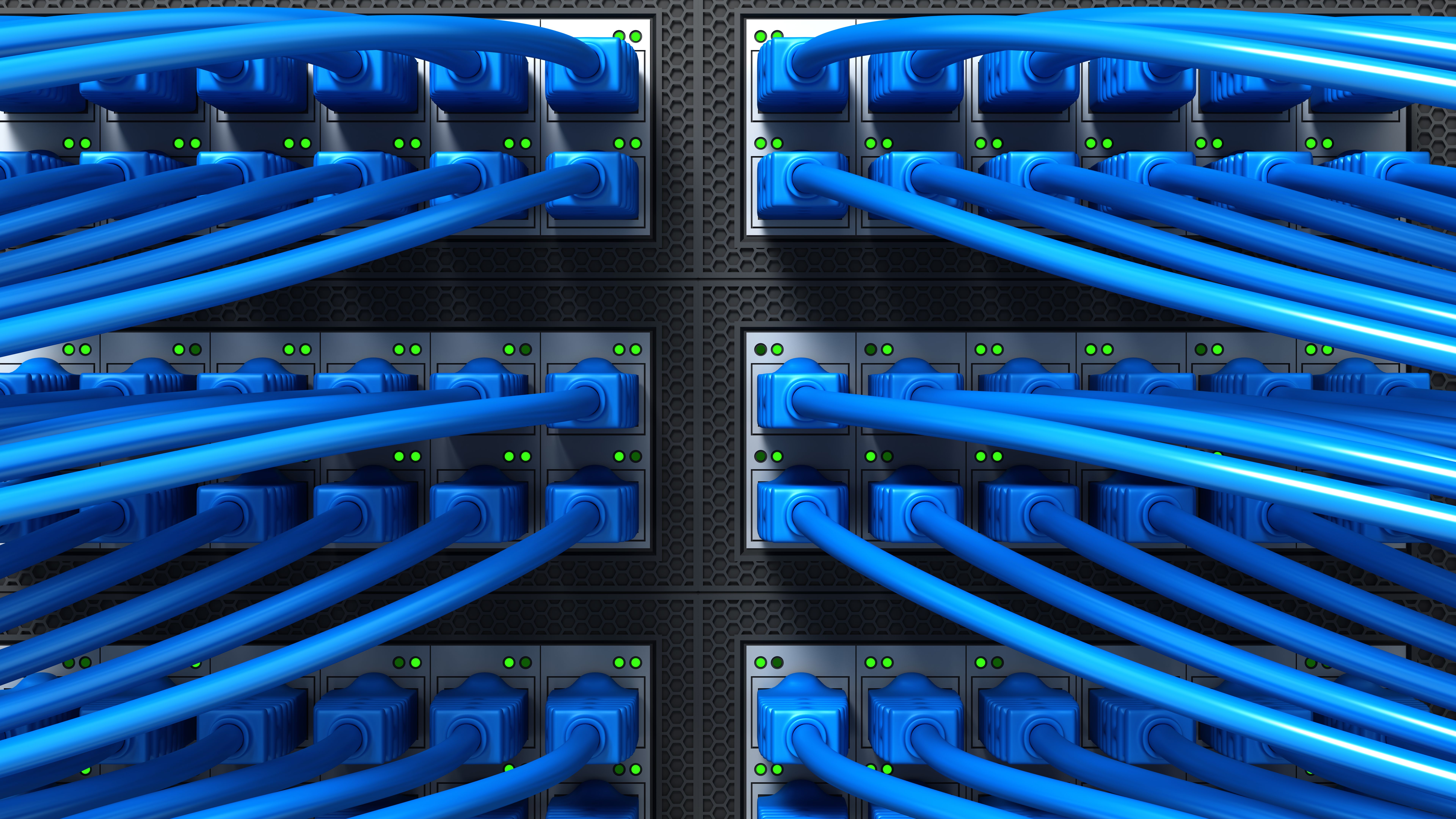
Ethernet cables are widely used for local area networks (LANs) and are suitable for most home and office settings. Fiber optic cables, on the other hand, are preferred for long-distance and high-speed data transfer due to their ability to transmit data as light pulses. Coaxial cables are commonly used for cable internet and television connections.
The Importance of Professional Installation
While DIY installation might seem tempting, professional network cable installation ensures that your network is set up correctly and efficiently. Professionals have the expertise to handle complex installations, minimizing potential issues such as interference, signal loss, and connectivity problems.
Benefits of Hiring Professionals
- Expertise and Precision: Professionals have the training to install cables with precision, ensuring optimal performance.
- Time-Saving: A professional installation saves you time and hassle, allowing you to focus on other important tasks.
- Future-Proof Solutions: Experts can provide advice on scalable solutions that can grow with your needs.

Steps in Network Cable Installation
Understanding the steps involved in network cable installation can help you appreciate the complexity and precision required for a successful setup. Here's a brief overview of the process:
Planning and Design
The first step involves planning the network layout. This includes determining the number of devices, the type of cables needed, and the most efficient routing paths. Proper planning ensures that the network is both functional and efficient.
Implementation
Once the plan is in place, the actual installation begins. This involves laying cables, setting up connection points, and ensuring all devices are properly connected. Professional installers use specialized tools and techniques to ensure the integrity and performance of the network.

Testing and Maintenance
After installation, rigorous testing is conducted to ensure everything is working as expected. This includes checking for signal strength, data transfer rates, and connectivity. Regular maintenance is also crucial to keep the network running smoothly and to address any potential issues before they become major problems.
In conclusion, professional network cable installation in Trinity is a critical investment for anyone looking to ensure a reliable and efficient communication system. By understanding the process and the benefits of professional installation, you can make informed decisions that will serve your needs for years to come.