The Ultimate Guide to Fiber Optic Cabling: Benefits and Installation
Introduction to Fiber Optic Cabling
Fiber optic cabling has revolutionized the way we transmit data, offering unparalleled speed and reliability. As businesses and homes increasingly demand high-speed internet, understanding fiber optics becomes essential. This guide will explore the benefits and installation process of fiber optic cabling, helping you make informed decisions for your connectivity needs.
Benefits of Fiber Optic Cabling
Unmatched Speed
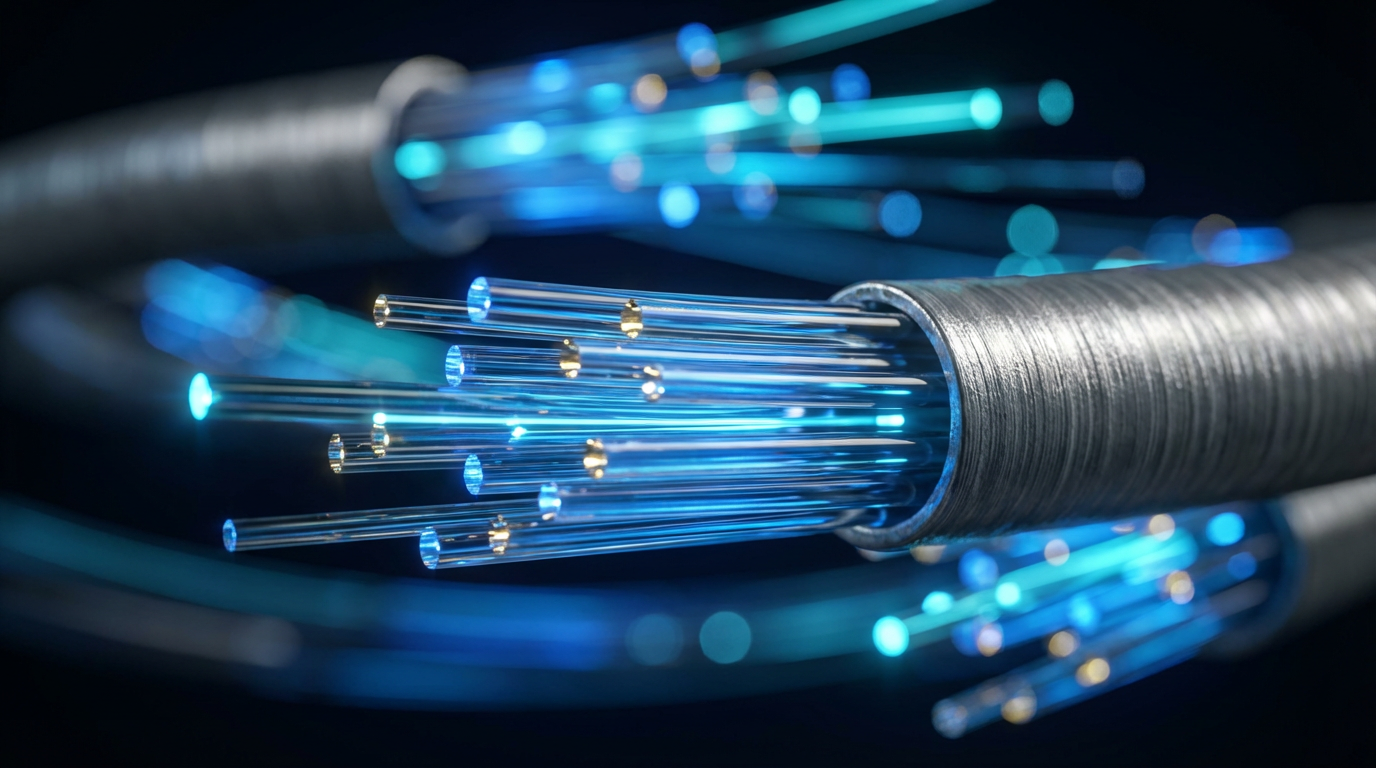
One of the most significant advantages of fiber optic cabling is its ability to provide blazing-fast internet speeds. Unlike traditional copper wires, fiber optics use light to transmit data, allowing for rapid data transfer over long distances without degradation.
Enhanced Reliability
Fiber optic cables are less susceptible to interference from electromagnetic signals, ensuring a more stable and reliable connection. This makes them an ideal choice for areas with high electromagnetic activity or where consistent connectivity is crucial.
Future-Proof Technology
Investing in fiber optic technology is a smart move for the future. As data demands grow, fiber optics can handle increased loads with ease, ensuring your network remains efficient and effective for years to come.

Installation of Fiber Optic Cabling
Planning and Design
Successful installation begins with meticulous planning and design. This involves assessing your current infrastructure, determining the best routes for cables, and ensuring compatibility with existing systems. Engaging with a professional installer can streamline this process.
Installation Process
Installing fiber optic cables requires specialized equipment and expertise. The process involves laying cables, connecting them to network devices, and testing for signal integrity. While it may seem complex, the result is a robust and high-performance network.

Testing and Maintenance
After installation, thorough testing ensures the system is functioning correctly. Regular maintenance, although minimal, is crucial to keep the network in optimal condition. Fiber optics require less maintenance than traditional cabling, offering long-term savings.
Conclusion
Fiber optic cabling is an investment in speed, reliability, and future-proofing your connectivity. Whether for personal use or business, understanding the benefits and installation process can significantly enhance your network's performance. Consider fiber optics as the backbone of your digital infrastructure, paving the way for seamless communication and connectivity.