The Role of Structured Cabling in Smart Building Technology
Smart building technology is revolutionizing the way we interact with our environments, offering enhanced efficiency, comfort, and security. At the heart of this transformation lies a critical component: structured cabling. This foundational element is essential for integrating various systems and devices within a smart building.
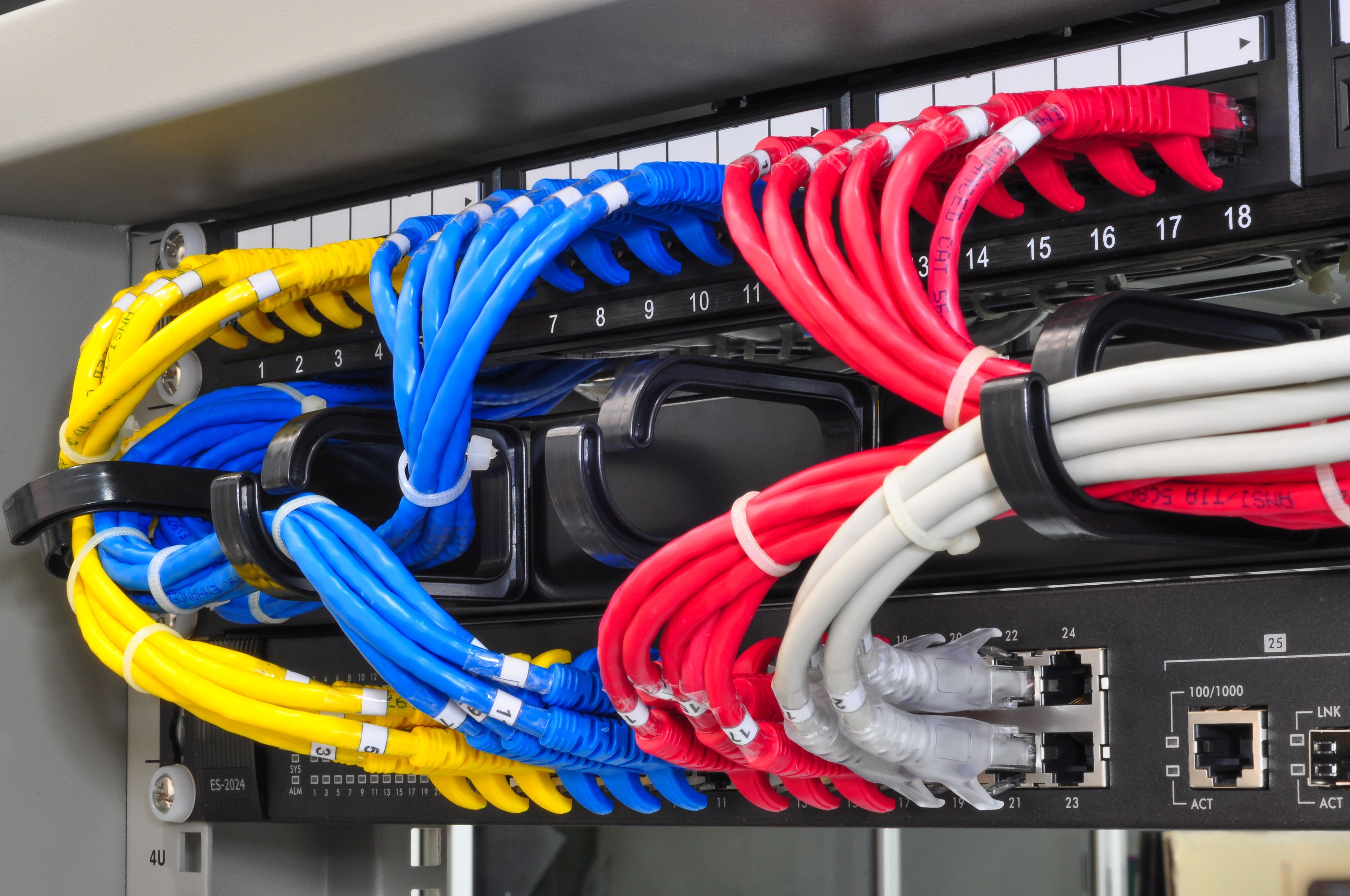
Understanding Structured Cabling
Structured cabling refers to a standardized approach to cabling infrastructure, designed to support multiple hardware uses and systems. It provides a comprehensive telecommunications infrastructure that ensures seamless communication across the building's network.
The key to structured cabling is its ability to support a wide range of technologies and applications. From voice and data to video and management systems, structured cabling acts as the backbone that connects all smart building components.
The Importance of Flexibility
One of the most significant advantages of structured cabling is its flexibility. As technology evolves, the ability to adapt and integrate new systems without overhauling the entire infrastructure is crucial. Structured cabling systems are designed to be scalable and versatile, accommodating future technological advancements with ease.
This flexibility also translates into cost savings, as businesses can upgrade their systems incrementally rather than investing in complete rewiring.

Enhancing Communication Efficiency
With structured cabling, smart buildings can achieve enhanced communication efficiency. The organized and standardized cabling infrastructure reduces latency and increases data transfer speeds, ensuring that all systems operate optimally.
In a smart building, where various systems like HVAC, lighting, and security must communicate seamlessly, this efficiency is paramount. A well-designed cabling system minimizes downtime and maximizes the performance of interconnected devices.
Supporting IoT Devices
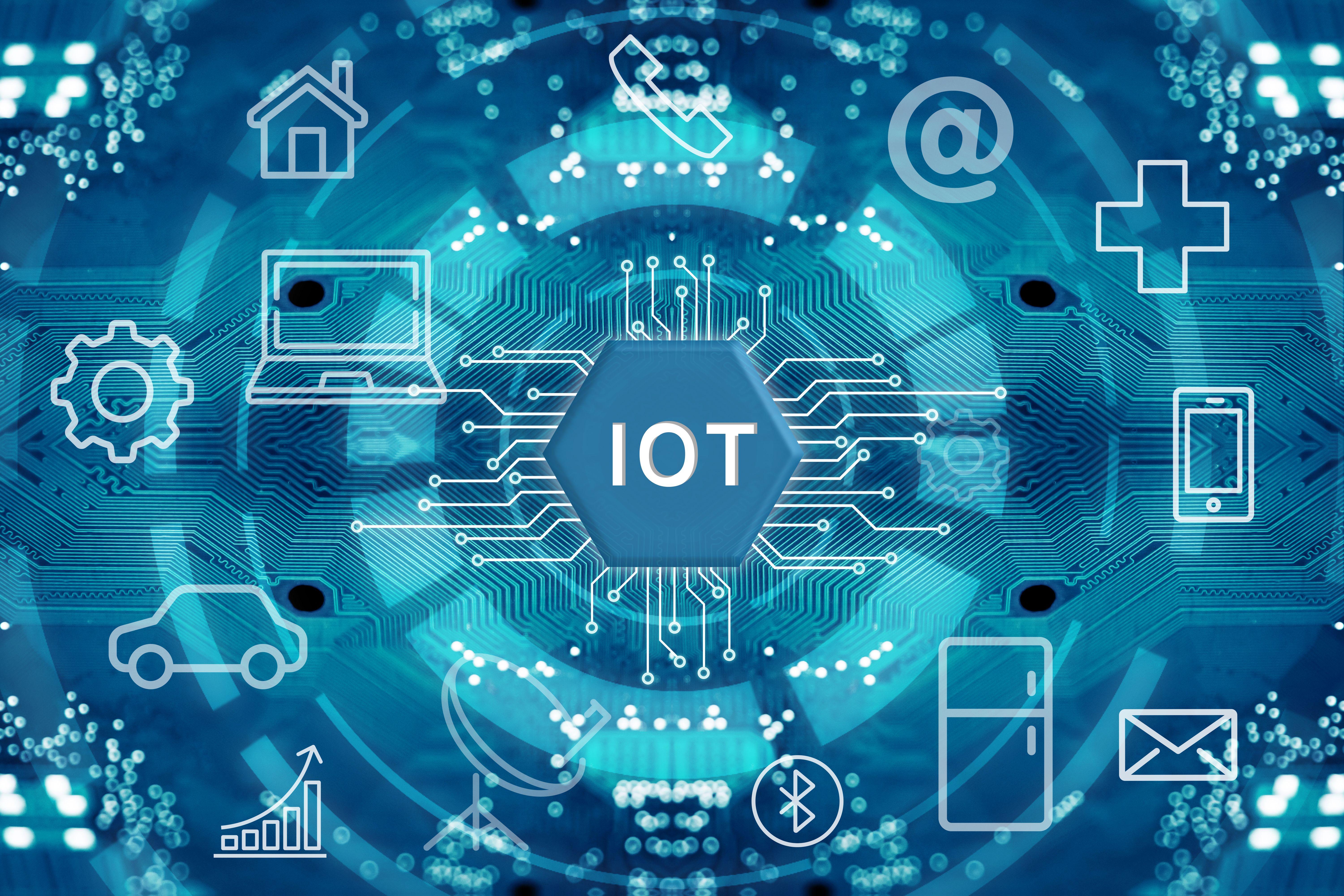
The Internet of Things (IoT) is a core component of smart building technology, with numerous devices and sensors connecting to the network. Structured cabling provides the robust infrastructure needed to support these IoT devices, enabling real-time data collection and analysis.
By facilitating the integration of IoT, structured cabling helps optimize energy usage, improve security measures, and enhance occupant comfort. This level of integration is essential for achieving the full potential of a smart building.
Ensuring Reliability and Safety
Another critical aspect of structured cabling is its contribution to the reliability and safety of smart buildings. The organized nature of structured cabling reduces the risk of network failures and simplifies troubleshooting processes.
Moreover, structured cabling systems are designed to comply with industry standards, ensuring that safety and performance are prioritized. This adherence to standards not only protects the infrastructure but also supports the overall integrity of the smart building's operations.
Conclusion
As smart building technology continues to evolve, the role of structured cabling will only become more vital. By providing a reliable, flexible, and efficient infrastructure, structured cabling enables the seamless integration of diverse systems and technologies.
Investing in a well-designed structured cabling system is not just about meeting current needs; it's about future-proofing buildings to adapt to the ever-changing landscape of technology.