Seasonal Maintenance Tips for Your Fiber Optic Infrastructure
Understanding Seasonal Changes
Fiber optic infrastructure is the backbone of modern communication networks, and its maintenance is crucial for ensuring optimal performance. Seasonal changes can have a significant impact on this infrastructure. Understanding how different weather conditions affect fiber optics can help you prepare and maintain your systems effectively.
Spring Maintenance
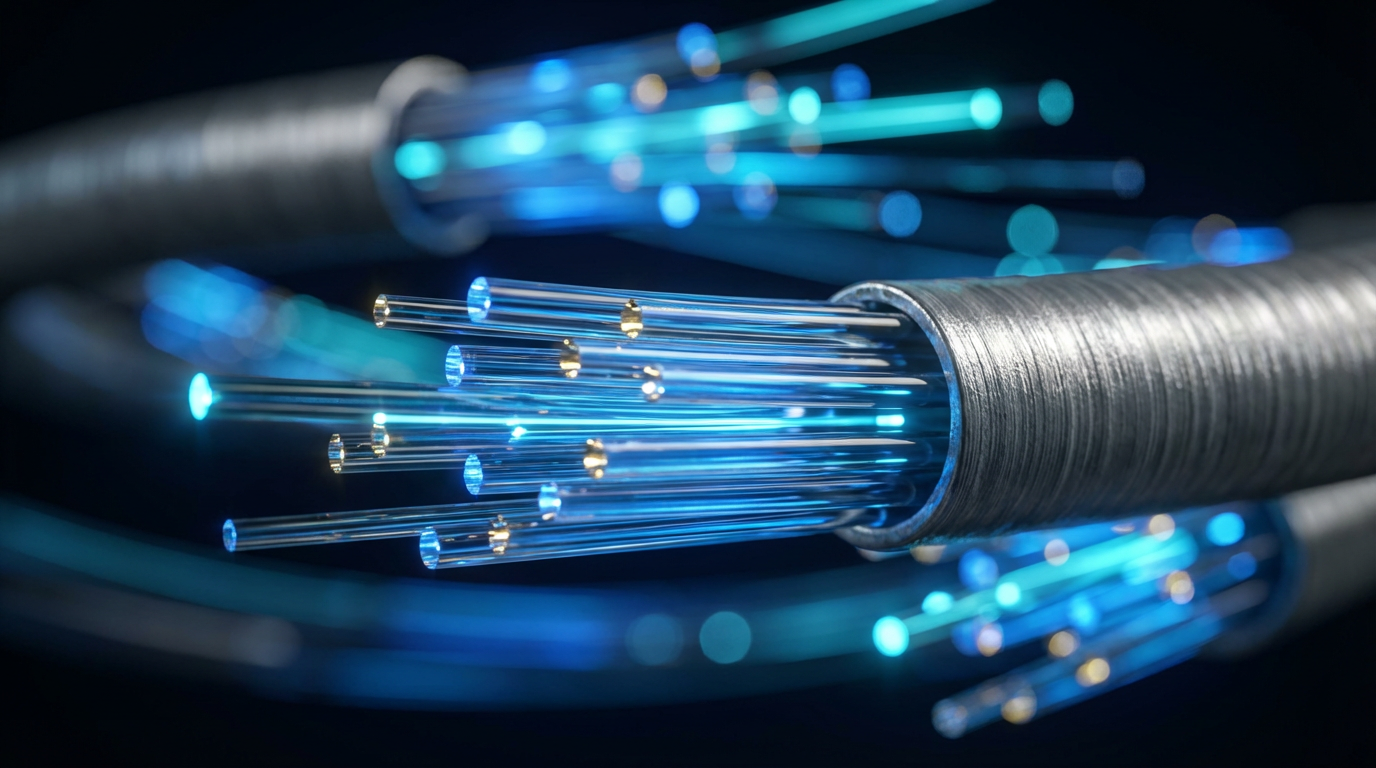
As temperatures rise, spring is the perfect time to conduct a thorough inspection of your fiber optic infrastructure. Begin by checking for any damage caused by harsh winter conditions. Look for any signs of wear or corrosion, especially at connection points. Repairing minor issues now can prevent major problems later.
Additionally, spring is an ideal time to clean and recalibrate your equipment. Dust and debris can accumulate over time, affecting signal quality. Ensure all components are clean and functioning properly to maintain efficient operation.
Summer Heat Considerations
Summer brings its own set of challenges, primarily due to increased temperatures. High heat can cause expansion in cables and connectors, leading to potential disruptions. Regular monitoring during the summer months is essential to catch any issues early.
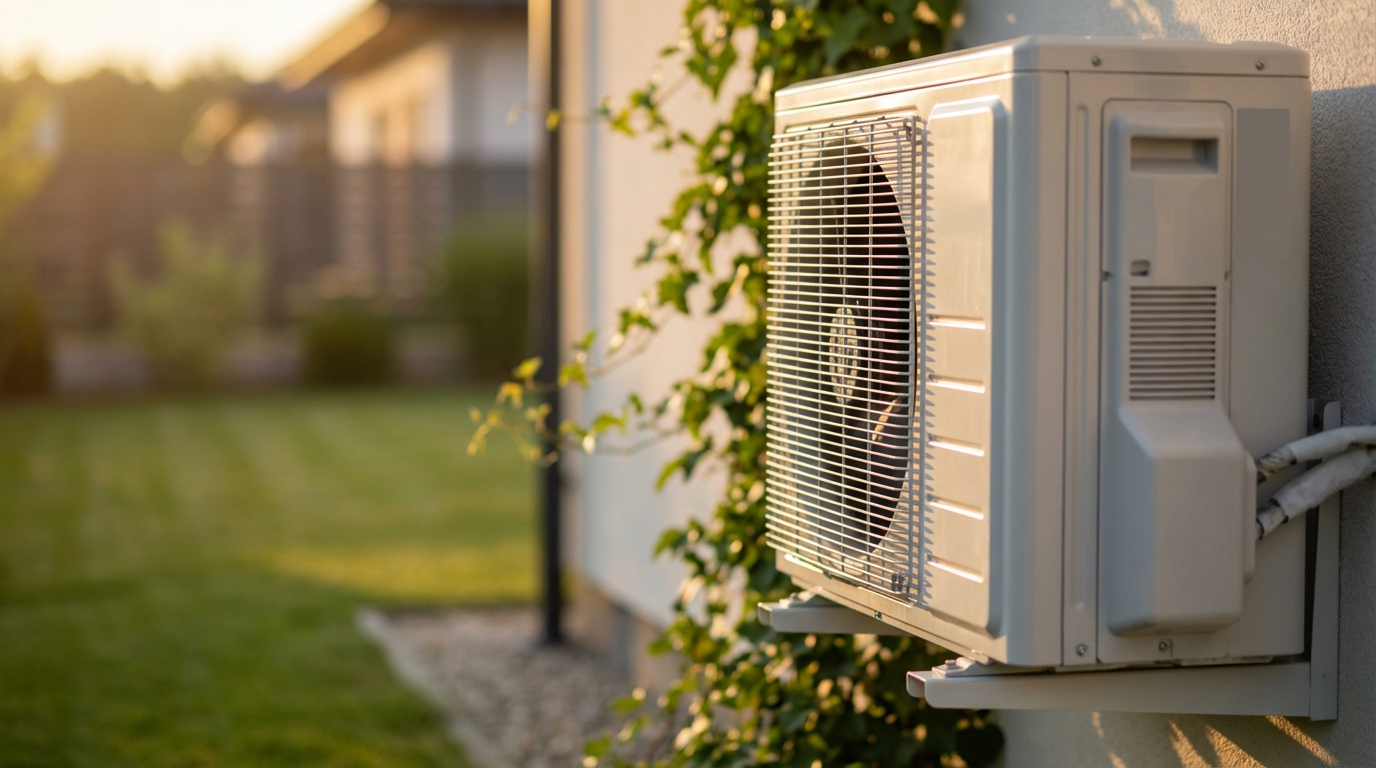
Consider installing cooling systems or shades to protect outdoor equipment from direct sunlight. This can help prevent overheating and ensure the longevity of your infrastructure. Additionally, ensure that any ventilation systems are clean and functioning correctly.
Fall Preparations
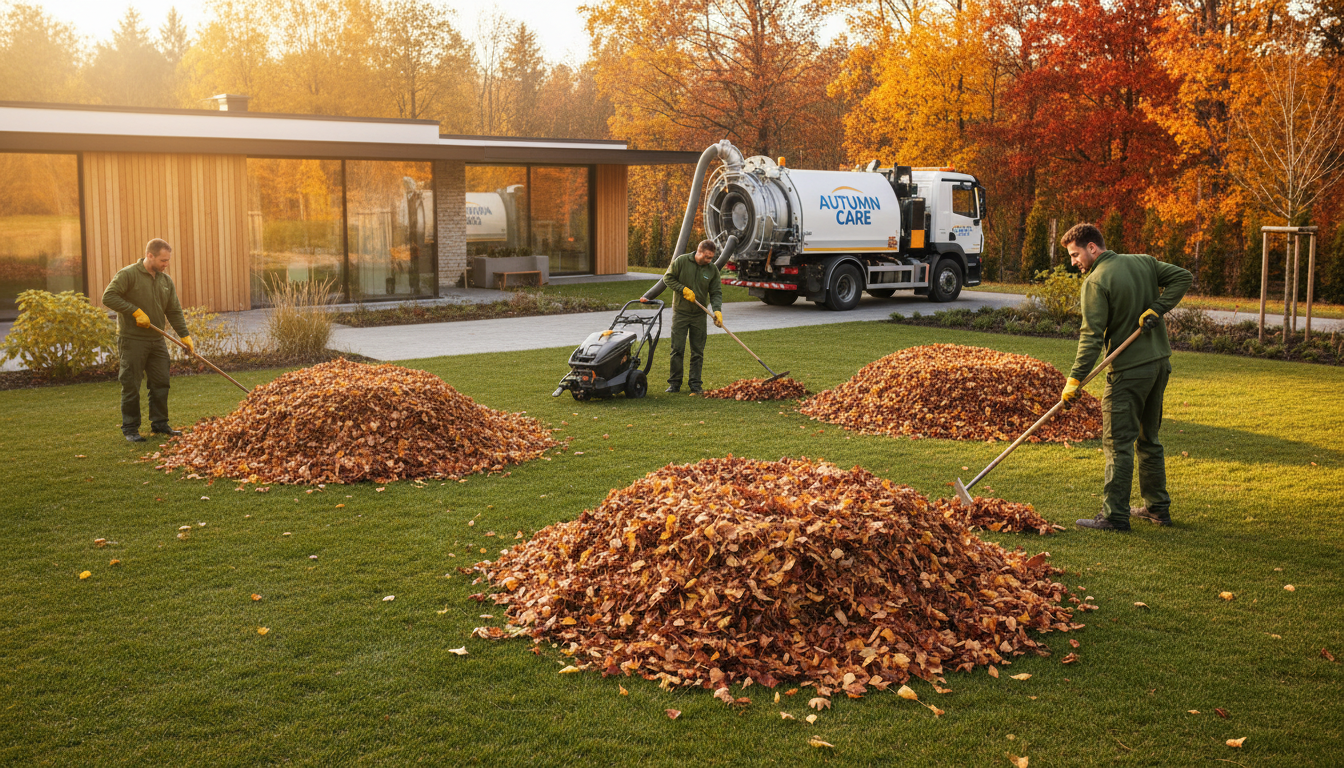
Fall is a time to prepare your fiber optic systems for the upcoming winter. Inspect cables for any signs of wear that might have occurred over the summer. Reinforce any vulnerable areas to prevent damage from falling leaves or moisture.
Make sure to clear away any debris that may have accumulated around your installations. Keeping the area clean will reduce the risk of damage from falling branches or heavy autumn rains.
Winter Challenges
Winter can be particularly harsh on fiber optic infrastructure. Cold temperatures can cause cables to become brittle, increasing the risk of breakage. Regular inspections are crucial during this time to ensure everything remains intact.
Consider applying protective coatings to cables and connectors to prevent ice formation. Also, ensure that any backup systems are fully operational in case of a power outage or severe weather event.
General Best Practices
Apart from seasonal-specific maintenance, there are general best practices you should follow year-round. Conduct regular inspections and maintenance checks to catch any issues early. Train your team on the latest techniques and technologies to handle potential problems efficiently.

Invest in high-quality materials and components to minimize the risk of damage and extend the life of your infrastructure. Keeping up with advancements in fiber optic technology can also provide new opportunities for efficiency and performance improvements.
By following these seasonal maintenance tips, you can ensure that your fiber optic infrastructure remains reliable and effective throughout the year, adapting smoothly to the changing conditions.