Preparing Your IT Infrastructure for Seasonal Changes
Understanding Seasonal Impact on IT Infrastructure
As the seasons change, so do the demands placed on your IT infrastructure. Businesses often experience fluctuations in network traffic, data processing needs, and system performance. Preparing for these shifts is crucial to ensure seamless operations. By proactively adapting your IT setup, you can mitigate risks and maintain efficiency.

Assessing Your Current IT Capabilities
Before the new season begins, conduct a comprehensive assessment of your existing IT infrastructure. Identify potential bottlenecks and evaluate system performance under different conditions. This evaluation will help you understand where improvements are necessary and what resources need to be scaled.
Consider the following aspects during your assessment:
- Network Capacity: Ensure your network can handle increased traffic.
- Data Storage: Evaluate if additional storage is required for increased data volumes.
- System Redundancy: Check for backup systems to prevent downtime.
Implementing Scalable Solutions
Once you've identified areas for improvement, it's time to implement scalable solutions. Cloud services offer excellent scalability, allowing you to adjust resources according to demand. This flexibility can be particularly beneficial during peak seasons when traffic surges are expected.
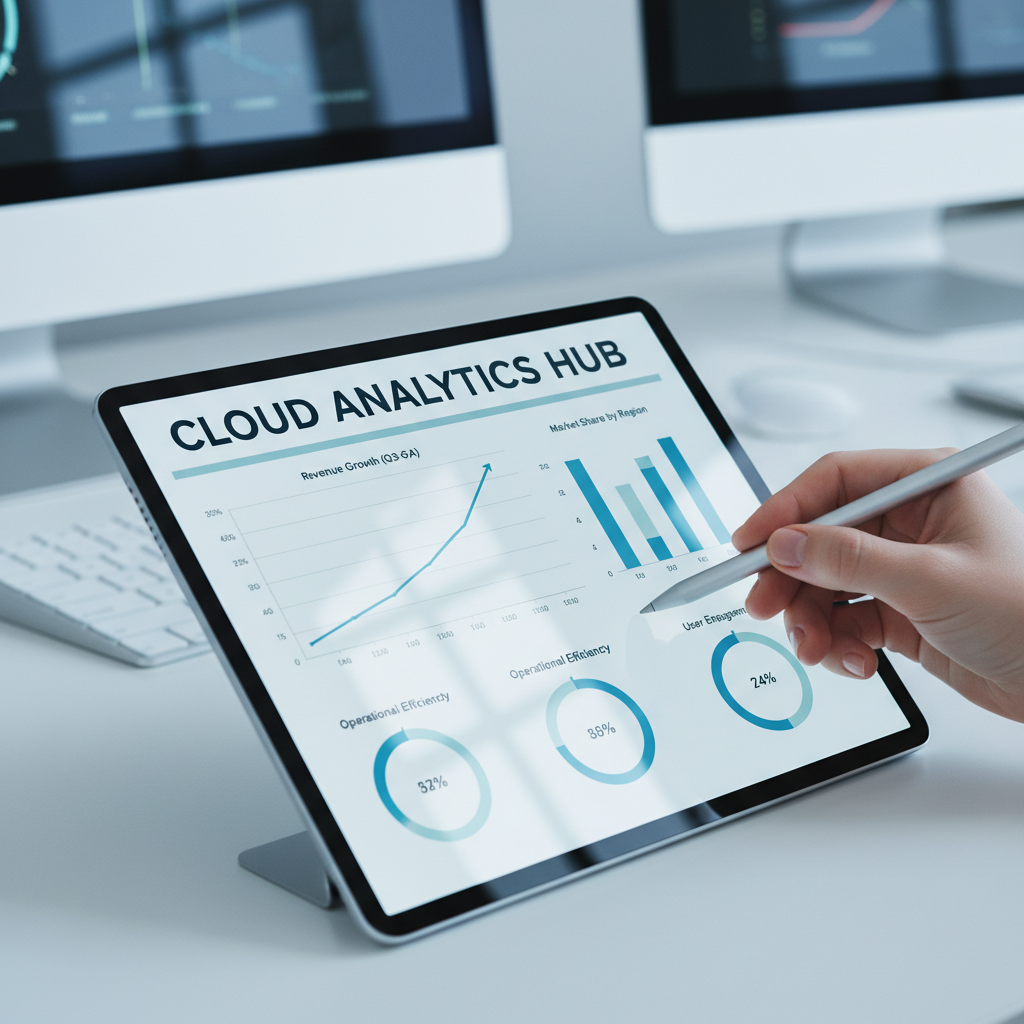
Additionally, consider employing load balancing techniques to distribute workloads evenly across servers. This approach can prevent any single server from becoming overwhelmed, ensuring continuous service availability.
Enhancing Security Measures
Seasonal changes can bring about new security challenges. Cyber threats often increase during peak periods, targeting businesses that may be distracted by high traffic and increased activity. Strengthening your security protocols is essential to safeguard your data.
Implement multi-factor authentication, regularly update software, and conduct security audits to identify vulnerabilities. Educating employees about security best practices can also play a crucial role in preventing breaches.

Regular Monitoring and Maintenance
Continuous monitoring of your IT infrastructure is vital to detect and address issues promptly. Use monitoring tools to track system performance and receive alerts about potential problems. Regular maintenance, including software updates and hardware checks, will keep your systems running smoothly.
Establish a maintenance schedule that aligns with seasonal changes, ensuring that your infrastructure is always ready to handle any challenges that arise.
Conclusion
By preparing your IT infrastructure for seasonal changes, you can ensure your business remains resilient and responsive. Through careful planning, scalable solutions, enhanced security, and regular maintenance, your systems will be equipped to handle the dynamic demands of each season. Investing in these proactive measures will pay off in maintaining operational efficiency and minimizing disruptions.