Myth-Busting: Common Misconceptions About Fiber Optic Cabling
Understanding Fiber Optic Cabling
Fiber optic cabling has become a cornerstone of modern communication, yet misconceptions about its capabilities and limitations persist. These misunderstandings can lead to hesitancy in adopting this cutting-edge technology. In this post, we aim to debunk some common myths and provide clarity on what fiber optic cabling truly offers.
Myth 1: Fiber Optic Cables Are Fragile
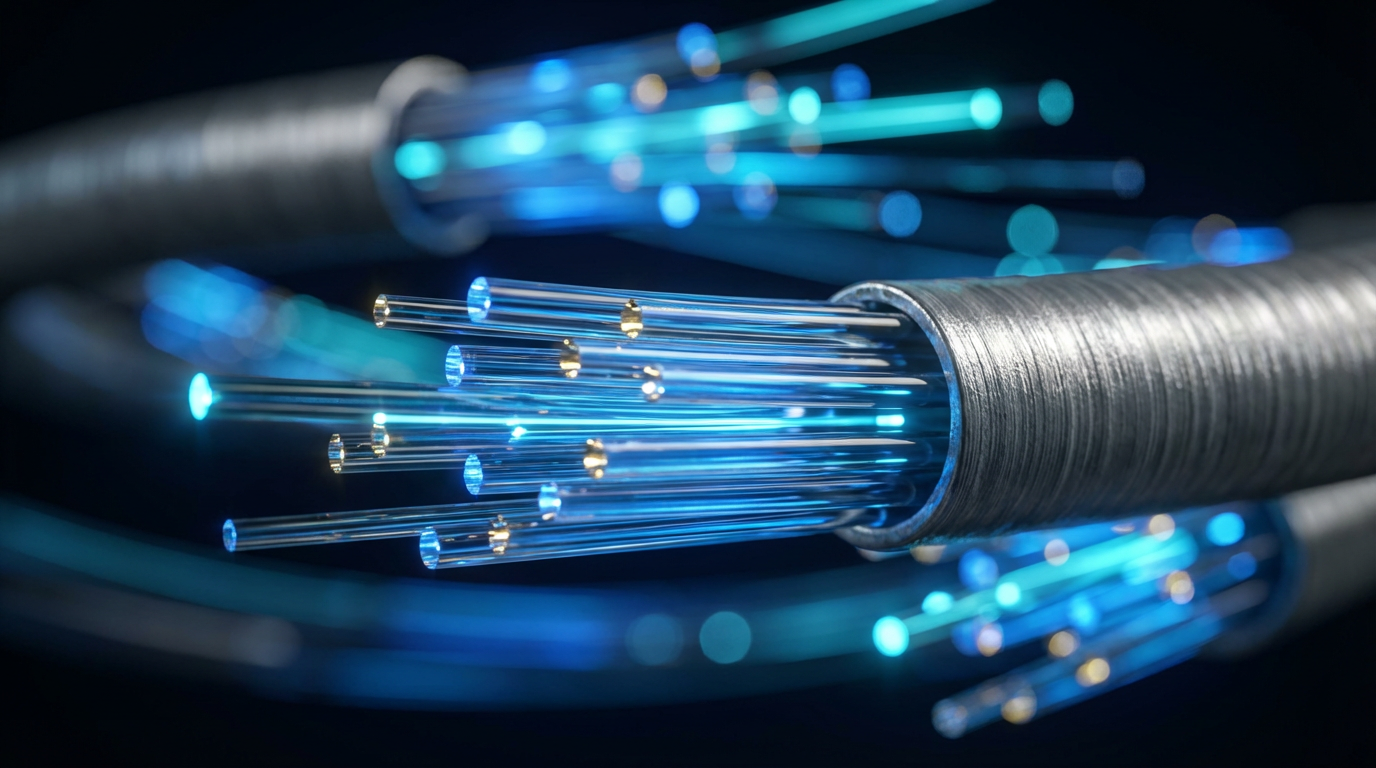
One widespread misconception is that fiber optic cables are too fragile for widespread use. While they are made of glass, they are designed to be incredibly durable. Manufacturers use robust sheathing to protect the fibers, allowing them to withstand harsh environmental conditions and physical stress. Fiber optic cables are, in fact, more resilient than copper cables in many applications.
Myth 2: Fiber Optic Cables Are Too Expensive
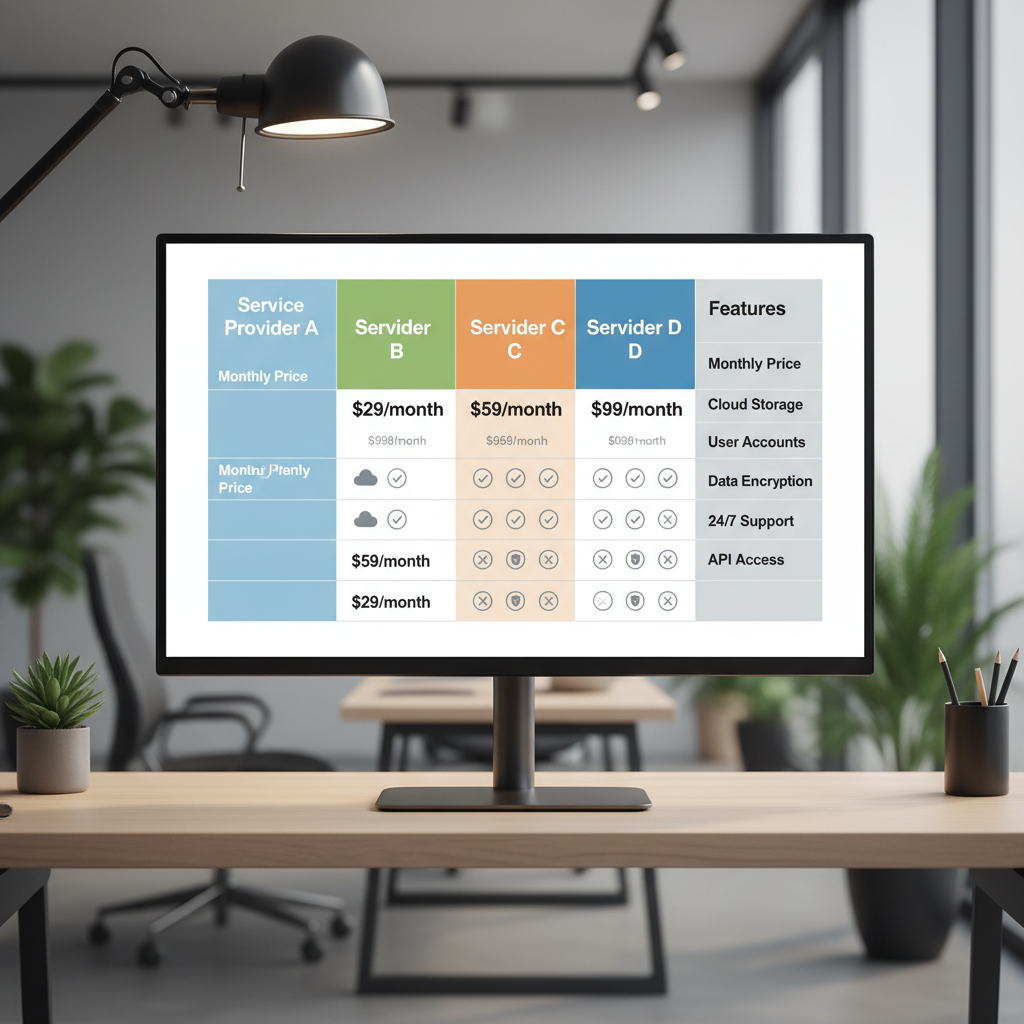
Another common belief is that fiber optic cabling is prohibitively expensive. While initial installation costs can be higher than traditional copper cabling, long-term savings often outweigh these initial expenses. Fiber optics offer lower maintenance costs, higher capacity, and greater efficiency, which translate to reduced operational costs over time.
Performance and Speed
Many people assume that fiber optic cables do not significantly outperform copper cables. This is not true. Fiber optic technology offers superior bandwidth and faster data transmission, making it the ideal choice for high-speed internet, streaming, and data-intensive applications. Fiber optics can transmit data over longer distances without signal loss, which is a significant advantage over copper.
Myth 3: Fiber Optics Are Only Necessary for Large Enterprises
There is a misconception that fiber optics are only beneficial for large companies. In reality, businesses of all sizes can benefit from the enhanced speed and reliability that fiber optics provide. From small startups to medium-sized enterprises, fiber optic cabling can improve operational efficiency and customer satisfaction.

Installation and Compatibility
Concerns about installation complexity and compatibility with existing systems often deter businesses from adopting fiber optics. However, the installation process is straightforward and can be tailored to fit various infrastructure needs. Modern fiber optic systems are also designed to integrate seamlessly with existing networks, minimizing disruption during upgrades.
Myth 4: Fiber Optic Technology Is Too Complex to Maintain
Some believe that maintaining fiber optic systems requires specialized expertise and constant attention. While it's true that fiber optics involve advanced technology, once installed, they require minimal maintenance. Regular inspections and cleanings are typically sufficient to ensure optimal performance.
By understanding and dispelling these myths, businesses and consumers can make more informed decisions about adopting fiber optic cabling. As the demand for faster and more reliable internet continues to grow, embracing fiber optics will become increasingly important.