How to Optimize Your Cable Management Systems for Better Performance
Effective cable management is essential for ensuring that your systems run smoothly and efficiently. Poorly organized cables can lead to performance issues, safety hazards, and maintenance difficulties. Optimizing your cable management systems can enhance performance, increase longevity, and improve the overall aesthetics of your setup.
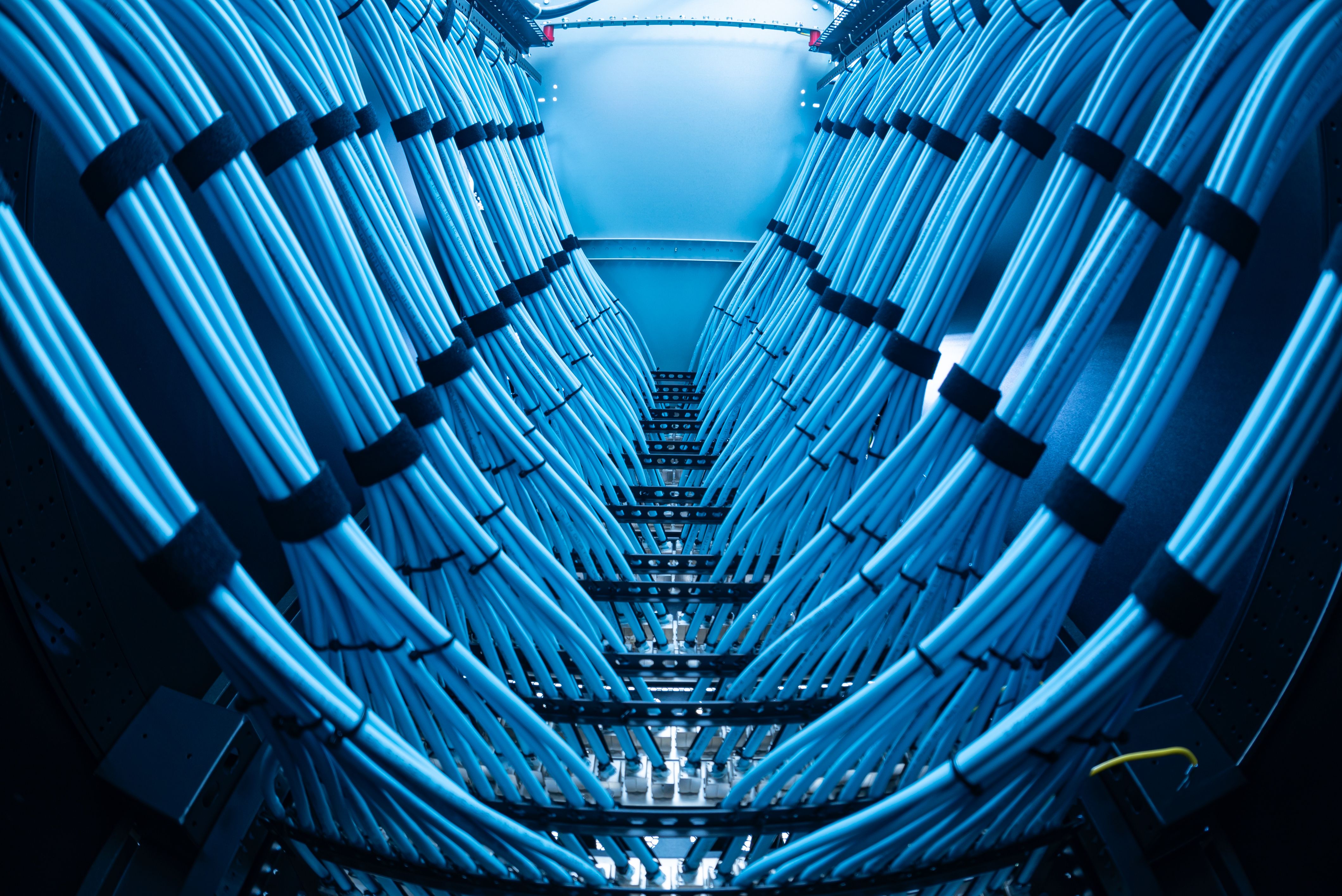
Why Cable Management Matters
Cable management is more than just tidying up wires; it plays a crucial role in maintaining system performance. Tangled or improperly managed cables can cause interference and overheating, which may lead to hardware damage or data loss. Additionally, a neat setup makes it easier to identify and resolve issues, reducing downtime.
By organizing cables efficiently, you can improve airflow, enhance cooling, and extend the life of your equipment. Moreover, well-organized cables allow for easier upgrades and maintenance, saving you time and effort in the long run.
Choosing the Right Tools and Materials
Investing in the right tools and materials is the first step in optimizing your cable management systems. Consider using:
- Cable Ties: Available in various sizes, cable ties help bundle cables together, reducing clutter.
- Cable Sleeves: These flexible tubes can hold multiple cables, providing protection and organization.
- Cable Clips: Use these to secure cables along walls or furniture, keeping them out of the way.
- Cable Trays and Raceways: Ideal for larger setups, these systems guide and protect cables, especially in office environments.

Planning Your Cable Layout
Before diving into organizing your cables, take the time to plan your layout. Consider the following tips:
- Map Out Your Setup: Identify the location of each device and plan the cable routes accordingly.
- Measure Cable Lengths: Ensure your cables are long enough to reach their destinations without excessive slack.
- Group Similar Cables: Bundle cables that serve similar functions, such as power cords or data cables, to streamline organization.
By planning effectively, you can reduce clutter and minimize the risk of tangled or crossed cables, ensuring a clean and efficient setup.
Implementing Cable Management Techniques
Once you have the tools and a plan, it's time to implement your cable management system. Start by disconnecting all cables, then:
- Label Cables: Use labels to identify each cable, making it easier to troubleshoot and maintain your system.
- Bundle and Secure: Group cables using ties or sleeves and secure them with clips or trays.
- Hide Excess Cable Length: Coil or loop extra lengths and tuck them out of sight to maintain a tidy appearance.
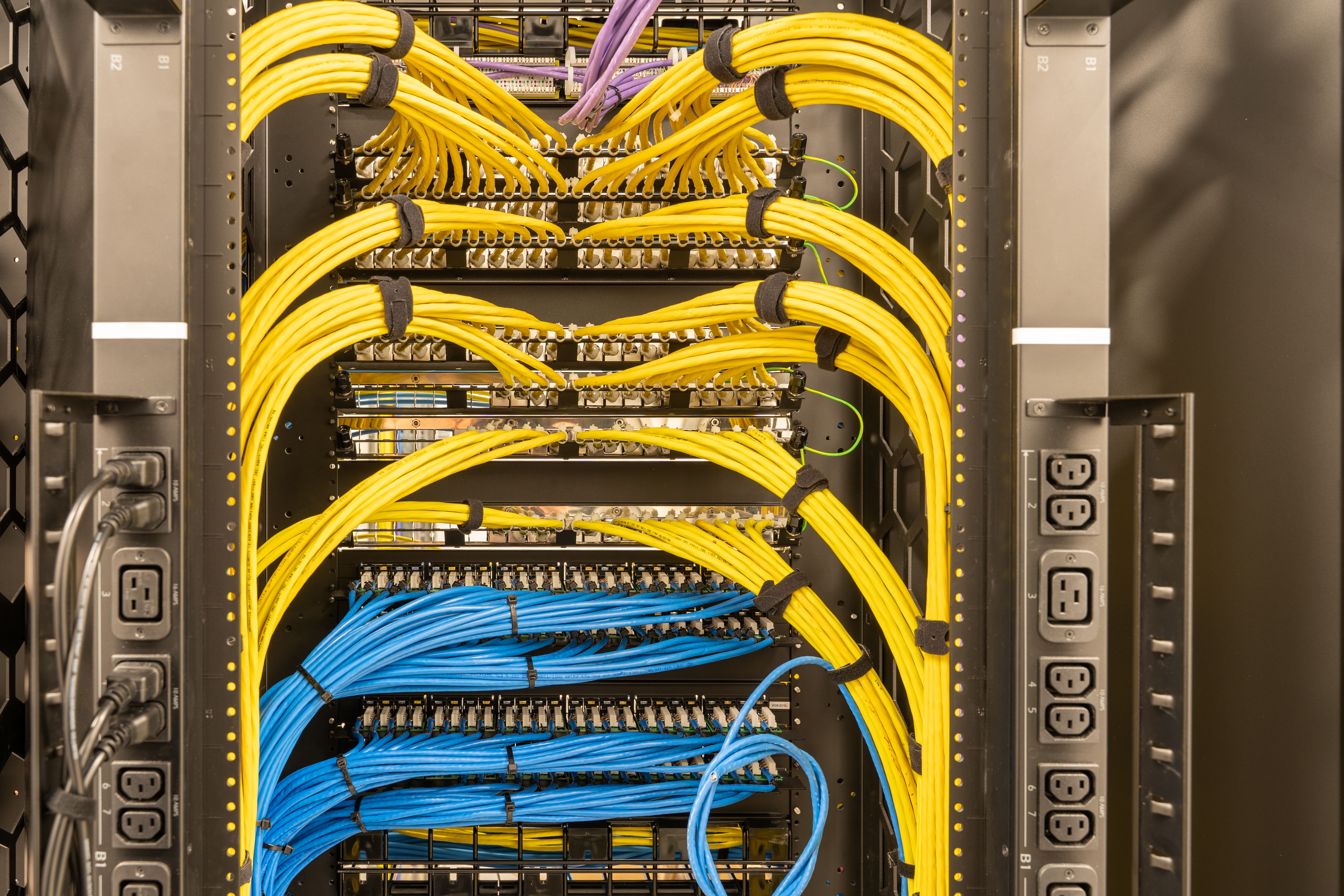
Maintaining Your Cable Management System
Regular maintenance is key to preserving the efficiency of your cable management system. Periodically check for loose connections, damaged cables, or any signs of wear and tear. Replace or repair as necessary to prevent potential issues.
Additionally, as you add or remove devices from your setup, update your cable management to accommodate changes. Keeping your system flexible ensures it remains effective over time.
By following these tips, you can optimize your cable management systems, enhancing both performance and aesthetics. A well-organized setup not only improves the functionality of your equipment but also creates a safer and more pleasant environment.