Expert Tips on Maintaining Your Network Cabling System in Trinity
Understanding the Basics of Network Cabling
Maintaining a robust network cabling system is crucial for seamless connectivity in any organization. In Trinity, as businesses rely more on digital infrastructure, proper management of network cables becomes even more important. A well-maintained network cabling system not only ensures efficient data transfer but also minimizes downtime and repair costs.
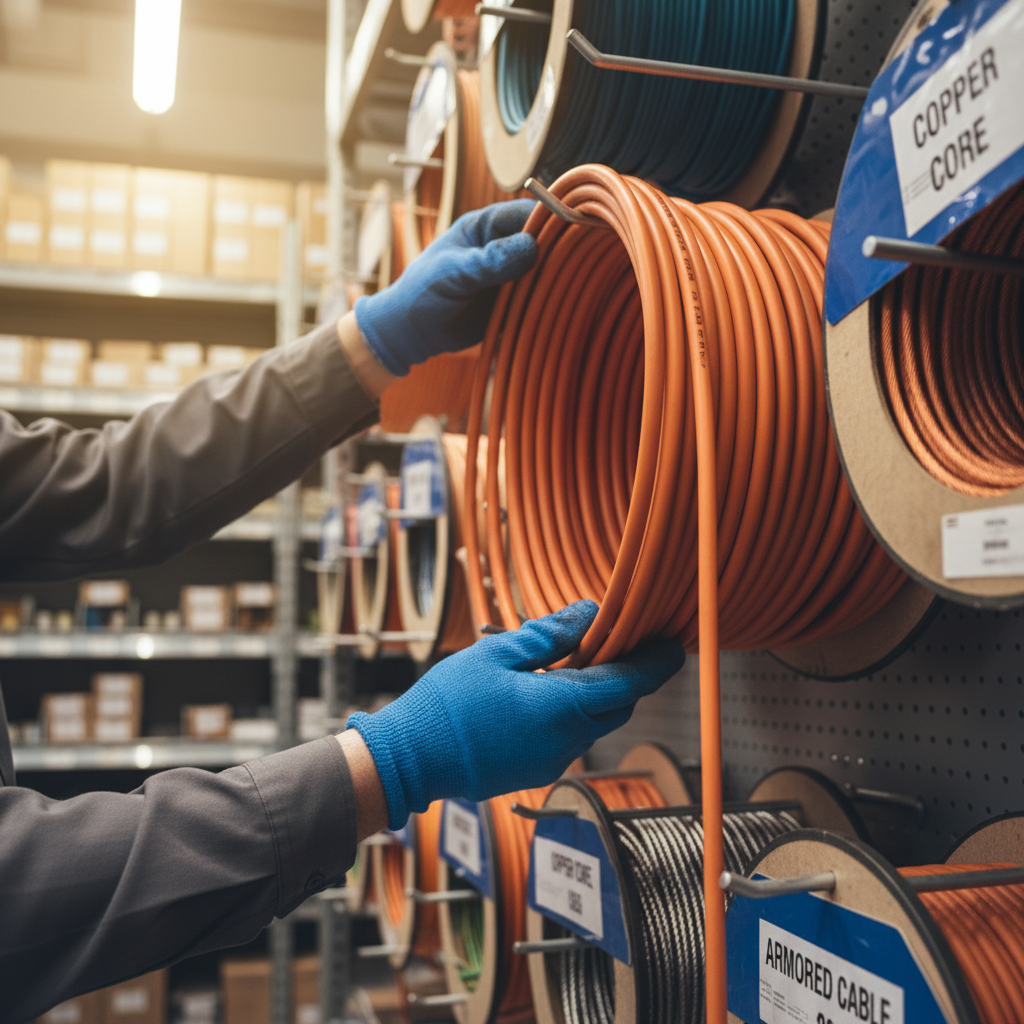
Cabling systems are the backbone of your network, responsible for connecting devices and enabling communication. They include various types of cables such as fiber optics, coaxial cables, and twisted pair cables. Each type has its own advantages and is suitable for different applications.
Regular Inspection and Maintenance
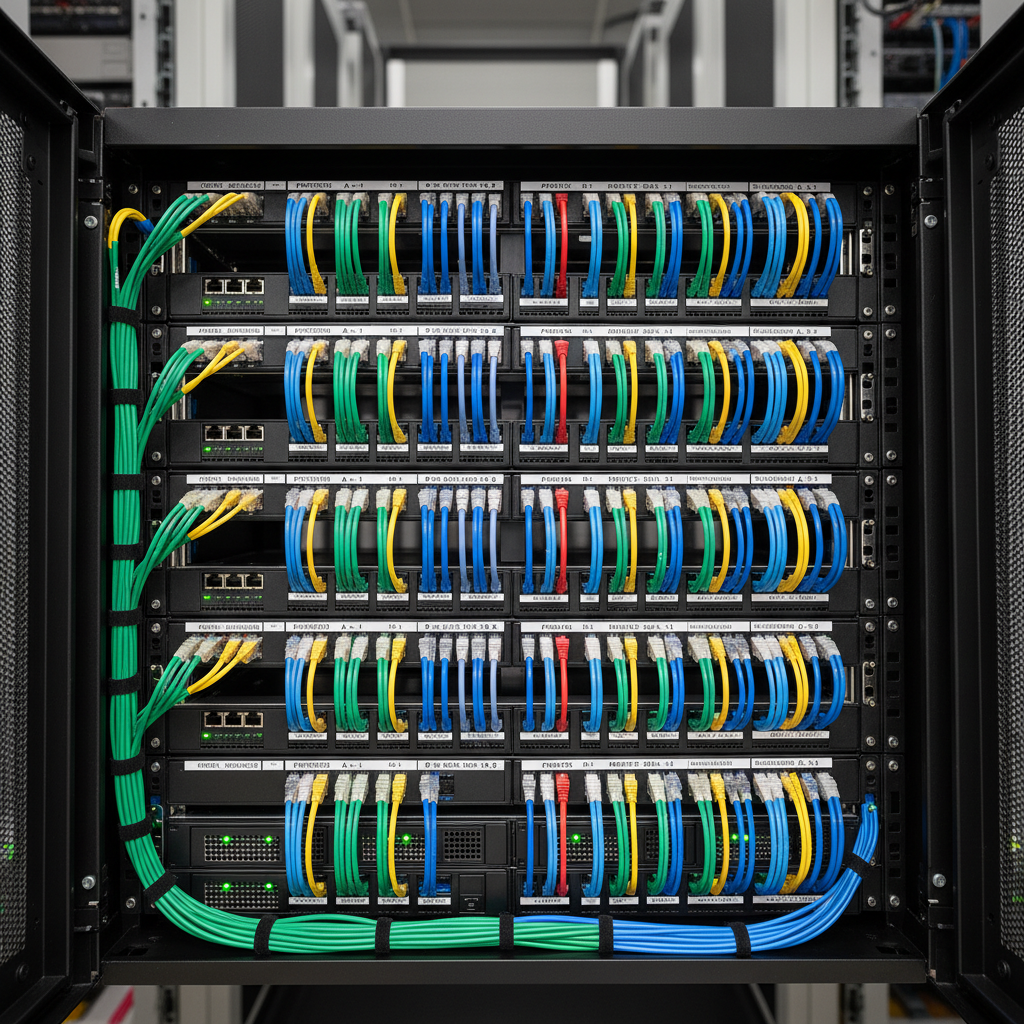
A proactive approach to network cabling involves regular inspections. This helps identify potential issues before they lead to significant problems. Schedule routine checks to ensure cables are in good condition and connections are secure.
During inspections, look for signs of wear and tear, such as frayed wires or loose connections. Ensure that cables are properly labeled to prevent confusion and make troubleshooting easier. Keeping a detailed record of inspections can also assist in identifying recurring issues.
Proper Cable Management
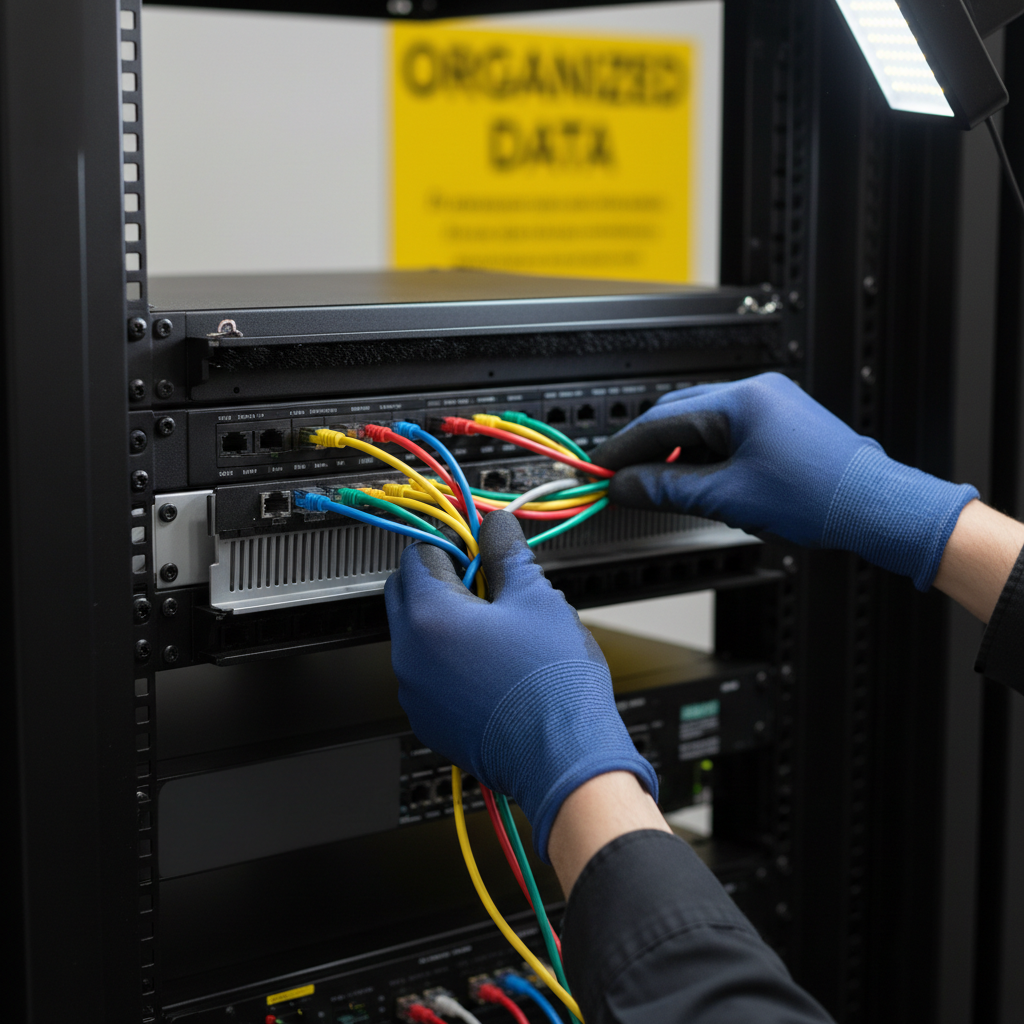
Good cable management is essential for maintaining an organized and efficient network. It reduces the risk of damage and makes it easier to manage changes or upgrades. Use cable trays, ties, and labels to organize your cables effectively.
Ensure that cables are not tightly bent, as this can lead to signal degradation. Avoid running cables near sources of electromagnetic interference, such as electrical equipment. Proper spacing and routing can significantly enhance the performance and longevity of your cabling system.
Upgrading and Future-Proofing
Technology evolves rapidly, and so should your network cabling system. Consider upgrading to higher capacity cables to accommodate increasing data demands. Fiber optic cables, for example, offer faster speeds and greater bandwidth compared to traditional copper cables.
Future-proofing your network involves planning for scalability. Install cables that can support future technologies and expansions. This will save both time and resources in the long run.
Hiring Professional Services
While regular maintenance can be managed in-house, there are times when professional expertise is necessary. Hiring a professional cabling service ensures that installation and maintenance are performed to industry standards.
Professionals can provide valuable insights and recommendations tailored to your specific needs. They can also assist with complex tasks such as fiber optic splicing or network design optimization.
Conclusion
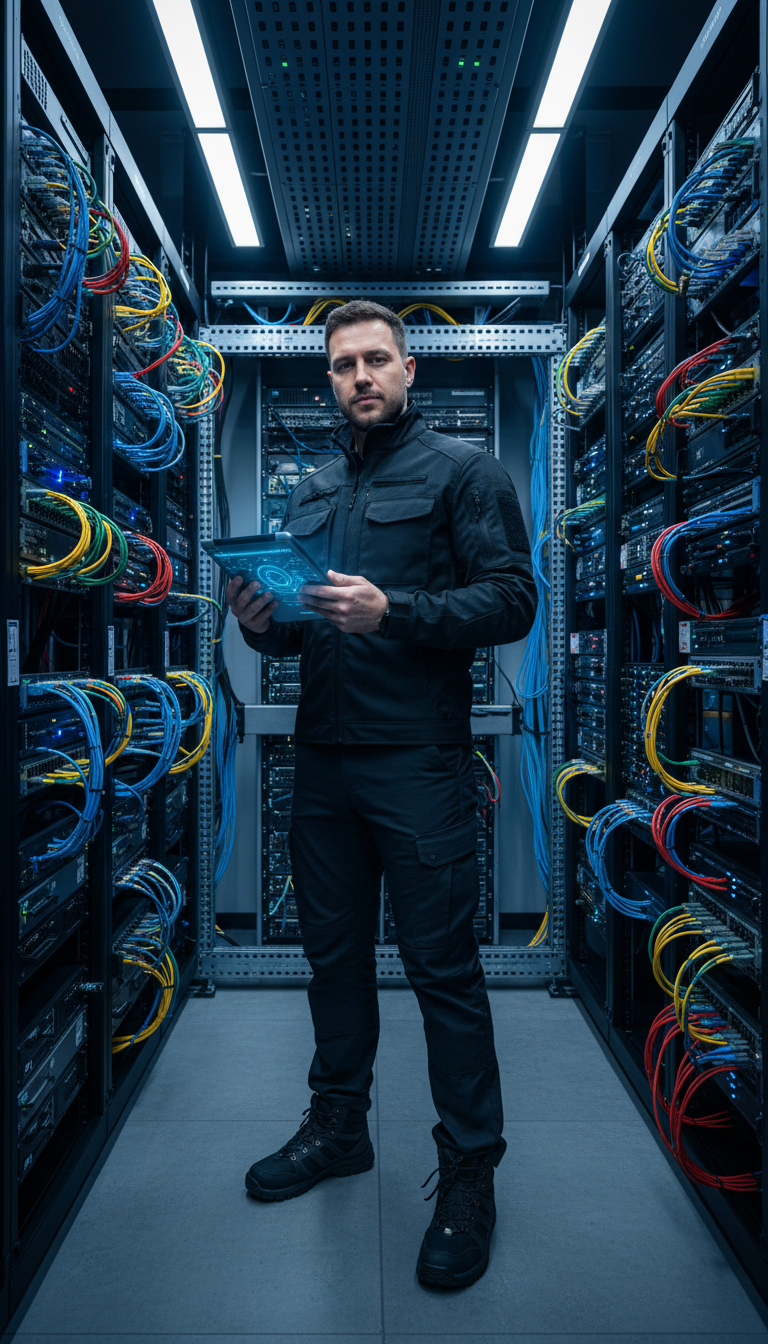
Maintaining your network cabling system is a critical aspect of ensuring smooth and uninterrupted business operations in Trinity. By following expert tips such as regular inspections, proper cable management, and considering professional services, you can enhance the reliability and efficiency of your network.
Investing time and resources in maintaining your cabling system not only prevents costly repairs but also supports the growth and flexibility of your business infrastructure.