Expert Tips for Maintaining Your Structured Cabling System
Understanding the Importance of Structured Cabling
Structured cabling systems are the backbone of any organization's IT infrastructure. They provide a reliable and organized way to support multiple hardware uses, including data and voice communications. A well-maintained structured cabling system can significantly improve network performance and reduce downtime.
Regular Inspection and Testing
Schedule Routine Checks
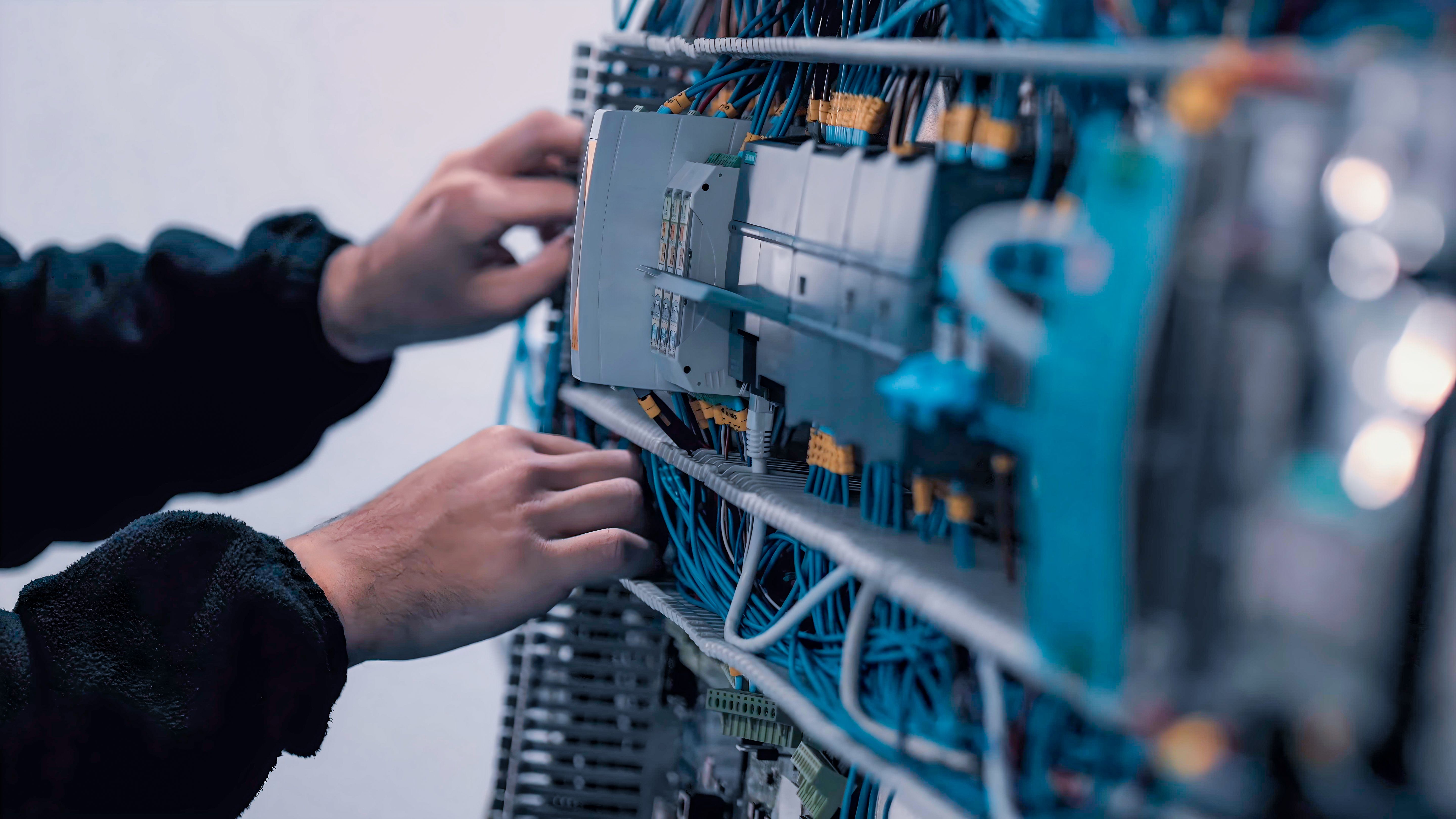
Regular inspections are crucial for maintaining your cabling system. Schedule periodic checks to identify any signs of wear and tear or potential issues. This proactive approach can help prevent costly repairs and ensure your network runs smoothly.
Conduct Performance Testing
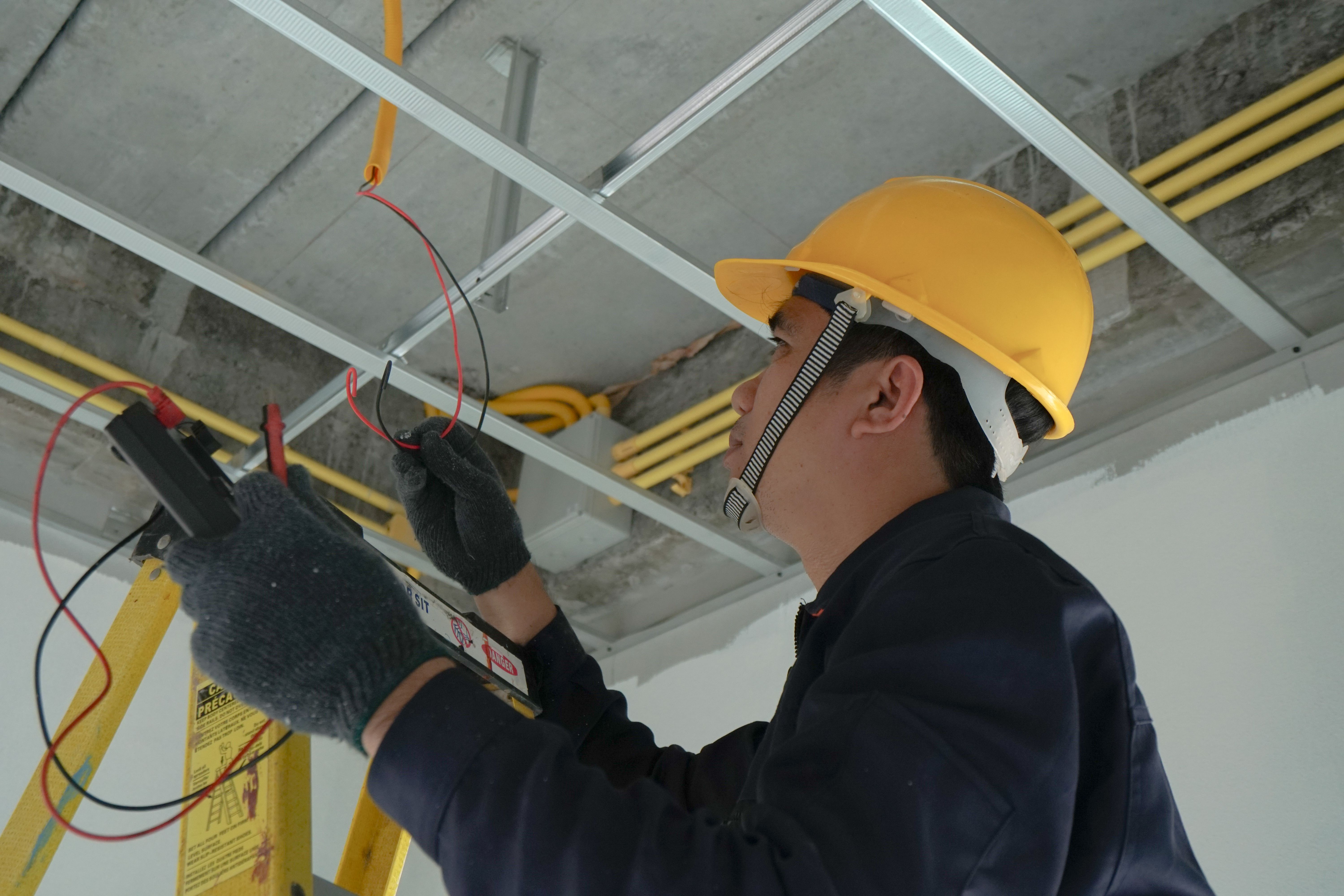
Testing the performance of your cabling system is essential to ensure optimal functionality. Use specialized tools to measure signal quality and speed. Address any anomalies immediately to maintain system efficiency.
Proper Labeling and Documentation
Organize with Clear Labels
Proper labeling of cables is vital for efficient management and troubleshooting. Use clear and consistent labels to identify each cable's purpose and connection point. This can save time and reduce errors during maintenance or upgrades.
Maintain Up-to-Date Documentation
Keep detailed records of your cabling infrastructure, including diagrams and connection maps. Regularly update this documentation to reflect any changes or expansions. This information is invaluable for technicians and can enhance system reliability.

Ensure Quality and Compatibility
Use High-Quality Materials
Invest in high-quality cabling materials to ensure long-term performance. Cheap or substandard cables can lead to frequent failures and increased maintenance costs. Quality materials also provide better resistance to environmental factors.
Ensure Component Compatibility
Ensure that all components of your cabling system are compatible. Incompatible parts can lead to connectivity issues and affect overall network performance. Always check manufacturer guidelines and industry standards.

Implement Effective Cable Management
Organize Cables Neatly
Good cable management practices are essential for efficient system operation. Use cable trays, ties, and conduits to keep cables organized and easily accessible. This not only improves aesthetics but also facilitates maintenance and troubleshooting.
Avoid Overloading
Avoid overloading conduits and trays with too many cables. Overcrowding can lead to increased heat and potential damage. Ensure adequate spacing to allow for proper airflow and reduce the risk of overheating.

Stay Updated with Industry Standards
Keep abreast of the latest industry standards and best practices for structured cabling. Regular training and certifications can help your team stay informed about technological advancements and maintain compliance with regulatory requirements.