Emerging Technologies in Data Cabling: What Businesses Need to Know
Understanding Emerging Technologies in Data Cabling
In today's fast-paced digital world, businesses must stay ahead of technological advancements to maintain a competitive edge. One such area experiencing rapid innovation is data cabling. Understanding emerging technologies in this field can significantly enhance a company's connectivity, efficiency, and scalability.
The Rise of Fiber Optic Cables
Fiber optic cables have become a cornerstone in modern data cabling due to their ability to transmit data over long distances at high speeds. Unlike traditional copper cables, fiber optics use light signals, resulting in higher bandwidth and reduced signal loss.
Businesses are increasingly adopting fiber optic solutions to support high-speed internet, video conferencing, and other bandwidth-intensive applications. This shift not only improves performance but also positions companies for future technological advancements.
Category 8 Cables: The Future of Copper
While fiber optics are gaining popularity, copper cabling remains relevant, especially with the introduction of Category 8 cables. Designed for data centers and server rooms, these cables support data rates of up to 40 Gbps.
Category 8 cables are particularly useful for businesses needing cost-effective solutions for short-distance, high-speed data transmission. Their compatibility with existing infrastructure makes them a practical choice for many organizations.
Power over Ethernet (PoE) Advancements
Power over Ethernet technology has transformed how devices are powered and connected. By transmitting electrical power along with data through a single cable, PoE reduces the need for additional wiring and power outlets.
Recent advancements in PoE support higher power levels, allowing businesses to operate more demanding devices like IP cameras and wireless access points efficiently. This integration simplifies installations and reduces costs.
The Role of Structured Cabling Systems
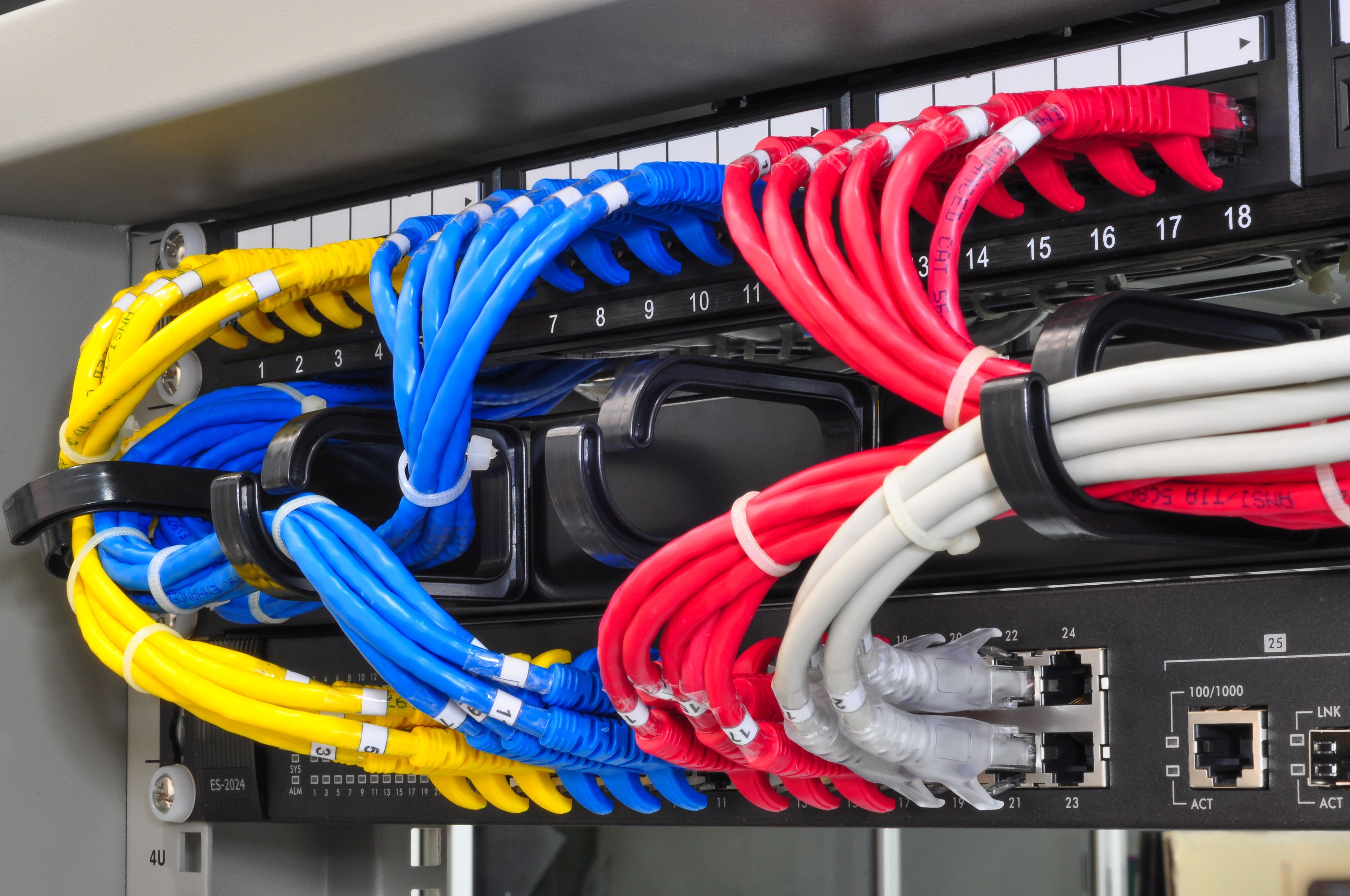
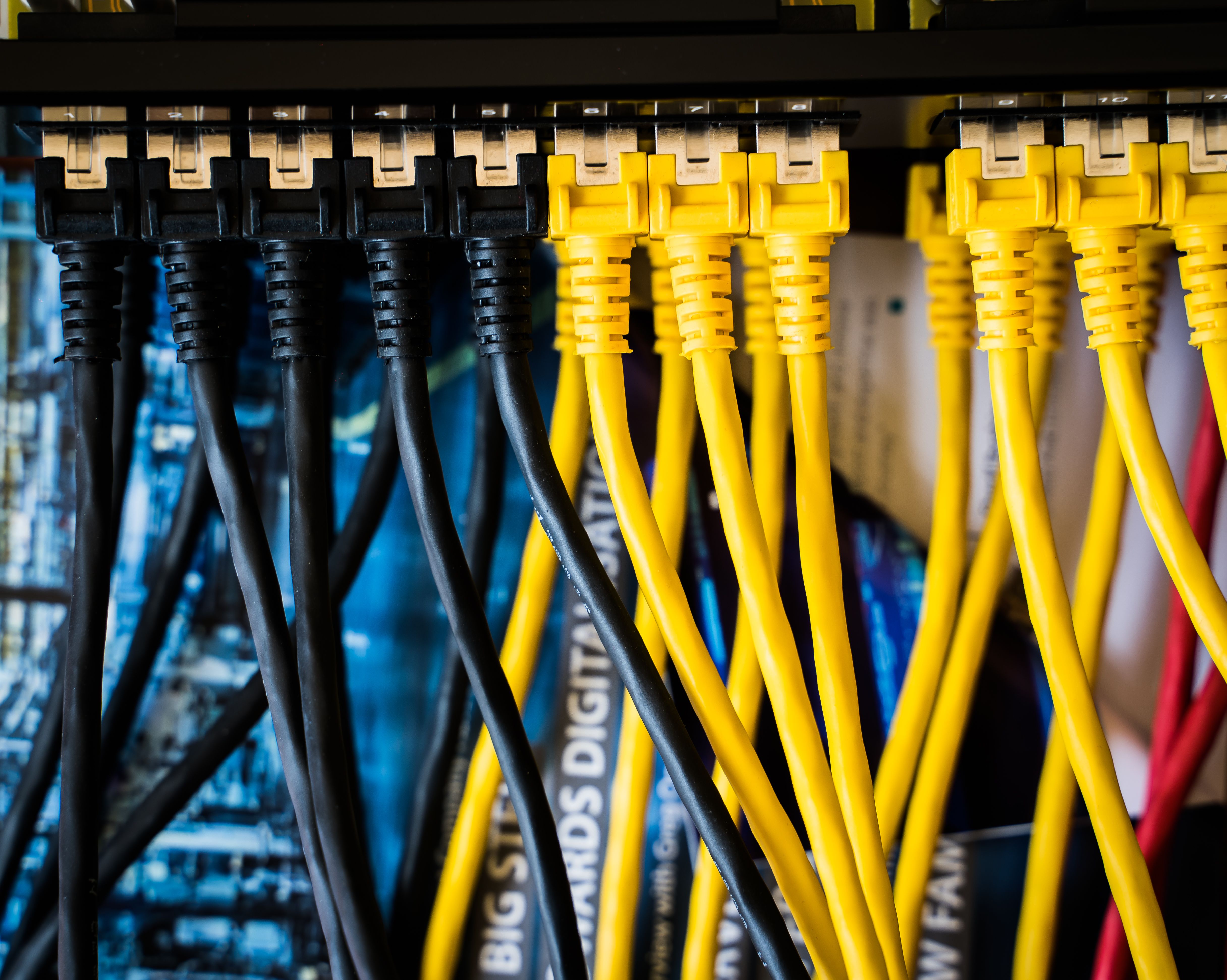
Structured cabling systems provide a comprehensive approach to data cabling, offering flexibility and scalability. These systems organize cables into a cohesive infrastructure, supporting multiple hardware uses and applications.
Implementing structured cabling can help businesses accommodate future growth and technological changes with minimal disruption. This forward-thinking approach ensures a robust and adaptable network foundation.
Preparing for 5G and IoT Integration
The advent of 5G and the Internet of Things (IoT) presents new opportunities and challenges for data cabling. With 5G's high-speed connectivity, businesses can expect faster data transmission and improved network reliability.
- Assess current infrastructure and identify areas for improvement.
- Invest in high-quality cables to support increased data loads.
- Consider future scalability to accommodate IoT devices and 5G technology.
By preparing now, businesses can leverage these technologies to enhance productivity and innovation.
Conclusion
Emerging technologies in data cabling are paving the way for more efficient and powerful business networks. By staying informed and proactive, companies can harness these advancements to drive growth and success.