DIY or Professional? Deciding How to Handle Your Structured Cabling Needs
Understanding Structured Cabling
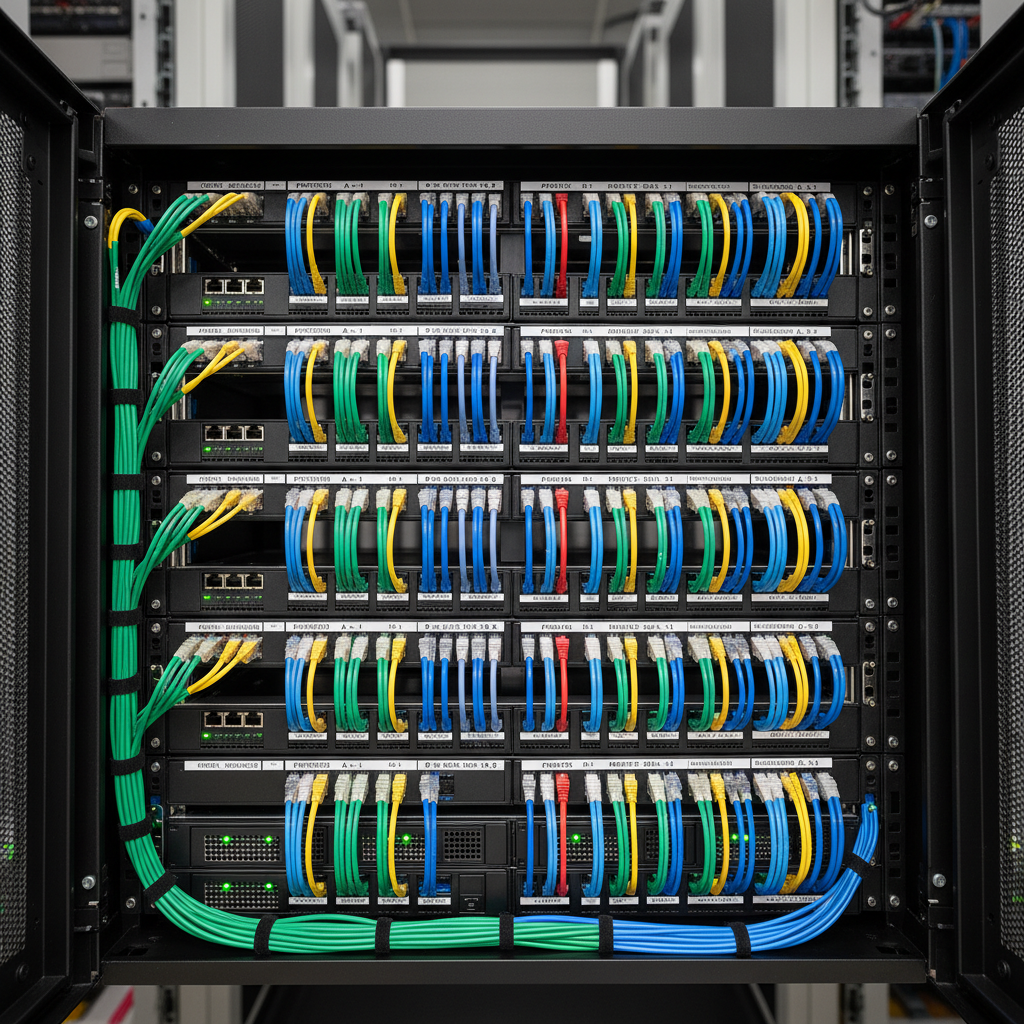
Structured cabling is a comprehensive system of cabling and associated hardware that provides a versatile communications infrastructure. This foundation supports a wide range of uses, such as data transmission, telephone service, and video surveillance. Whether you're setting up a network for a small office or a large corporation, structured cabling is essential for efficient communication.
Before deciding whether to handle your cabling needs yourself or hire a professional, it's important to understand the components involved. Structured cabling includes data cables, patch panels, and network switches, all of which need to be properly installed and configured.

The Pros and Cons of DIY Cabling
Handling your cabling needs on your own can be tempting, especially if you're on a tight budget. Here are some pros and cons of taking the DIY route:
Pros
- Cost savings: By doing it yourself, you may save money on labor costs.
- Personal satisfaction: Completing the project on your own can be rewarding and empowering.
Cons
- Time-consuming: Without experience, the process can take much longer than anticipated.
- Potential for mistakes: Incorrect installation can lead to network issues and require costly repairs.
Benefits of Hiring a Professional
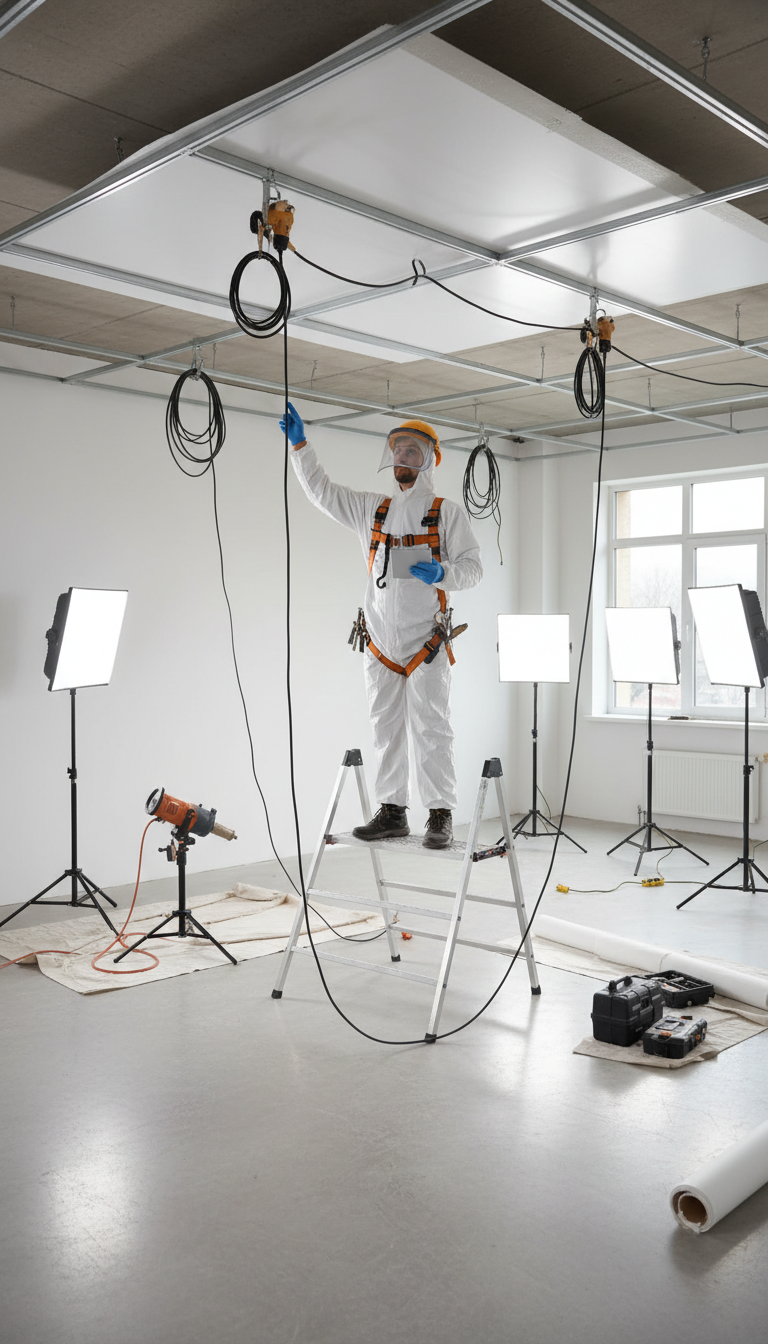
Opting to hire a professional for your structured cabling needs can provide several advantages. Experienced technicians bring expertise and efficiency to the table, ensuring a reliable and future-proof network. Here are some benefits:
- Expertise: Professionals possess the necessary skills and knowledge to handle complex installations.
- Time efficiency: With their experience, they can complete the job quickly and accurately.
- Quality assurance: A professional installation is less likely to encounter issues, ensuring a stable network.
Factors to Consider When Making Your Decision
Deciding between DIY and professional installation depends on several factors unique to your situation. Consider the following:
- Budget: Assess your financial resources to determine if hiring a professional is feasible.
- Complexity: Evaluate the complexity of your cabling needs. Larger or more intricate setups may benefit from professional expertise.
- Time constraints: Consider how quickly you need the installation completed.
Conclusion: Making the Right Choice for Your Needs
Ultimately, the decision between DIY and professional installation hinges on your specific circumstances. Weigh the pros and cons carefully, taking into account your budget, project complexity, and the potential risks involved. Whether you choose to tackle the project yourself or hire a professional, ensuring a well-structured cabling system is crucial for maintaining a reliable and efficient network infrastructure.