Debunking Common Myths About Fiber Optic Cabling
Fiber optic cabling has revolutionized the way we transmit data, offering high-speed connectivity that is critical for modern communication. However, several myths persist about this technology, leading to misunderstandings and underutilization. In this post, we aim to debunk these common myths and provide a clearer understanding of fiber optic cabling.
Myth 1: Fiber Optic Cables Are Fragile
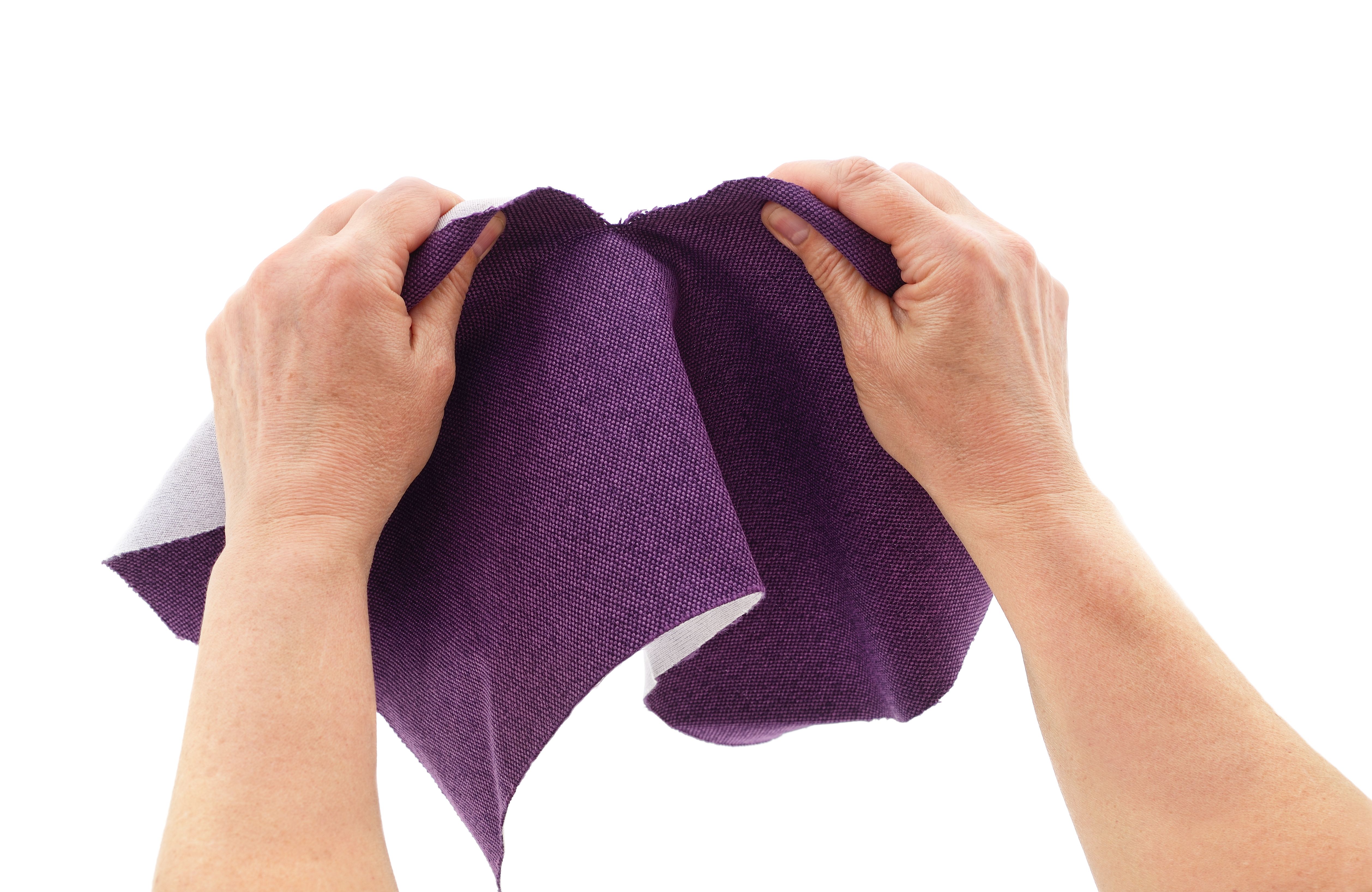
One of the most prevalent myths is that fiber optic cables are fragile and easily broken. While it is true that the glass within the cable is delicate, the cables themselves are designed with protective layers that make them incredibly durable. These layers protect against environmental factors like moisture and physical stress, making them suitable for a wide range of installations.
Durability in Harsh Conditions
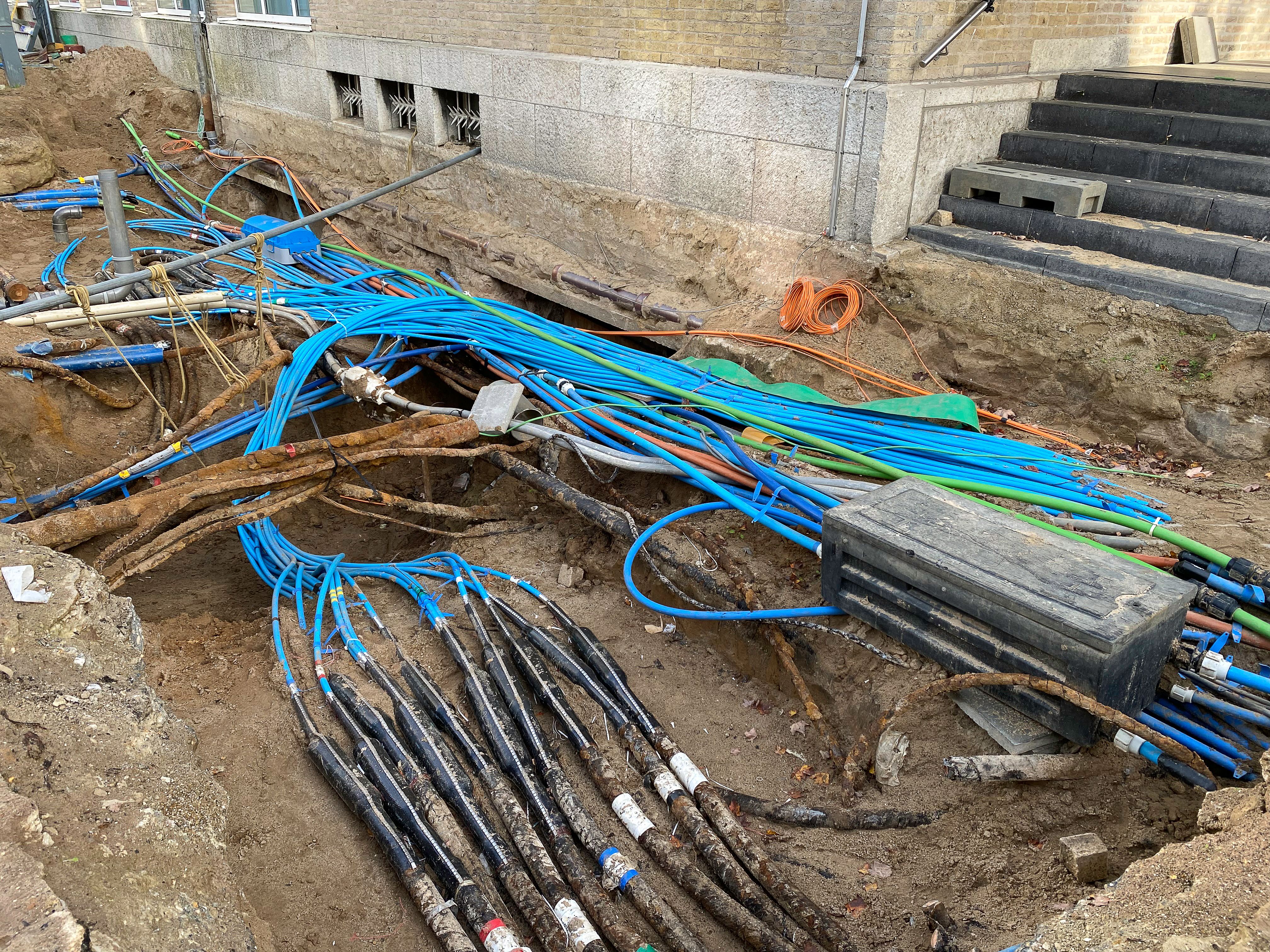
Fiber optic cables are often used in challenging environments, from underground installations to undersea connections. Their robust construction ensures they maintain performance even under harsh conditions. This makes them a reliable choice for both residential and industrial applications.
Myth 2: Fiber Optic Technology Is Too Expensive
Another common misconception is that fiber optic technology is prohibitively expensive. While the initial installation costs can be higher than traditional copper cabling, the long-term benefits and cost savings make it a worthwhile investment. Fiber optic cables have a longer lifespan and require less maintenance, reducing operational expenses over time.
Long-term Cost Efficiency
Organizations often find that the improved performance and reliability of fiber optics lead to increased productivity and lower downtime, further enhancing cost efficiency. As demand for high-speed internet grows, the price of fiber optic technology continues to decrease, making it increasingly accessible.
Myth 3: Fiber Optics Are Only for Internet
Many people assume fiber optics are solely used for internet connectivity. In reality, fiber optic technology has a wide range of applications beyond just internet service. These cables are used in telecommunications, broadcasting, medical imaging, and even lighting, showcasing their versatility.

Expanding Applications
Industries such as healthcare and defense benefit from the high bandwidth and low latency of fiber optics. For instance, in medical imaging, fiber optics provide clearer images and faster transmission times, enhancing diagnostic capabilities. This adaptability makes fiber optics a valuable asset in various fields.
Myth 4: Fiber Optic Installation Is Complicated
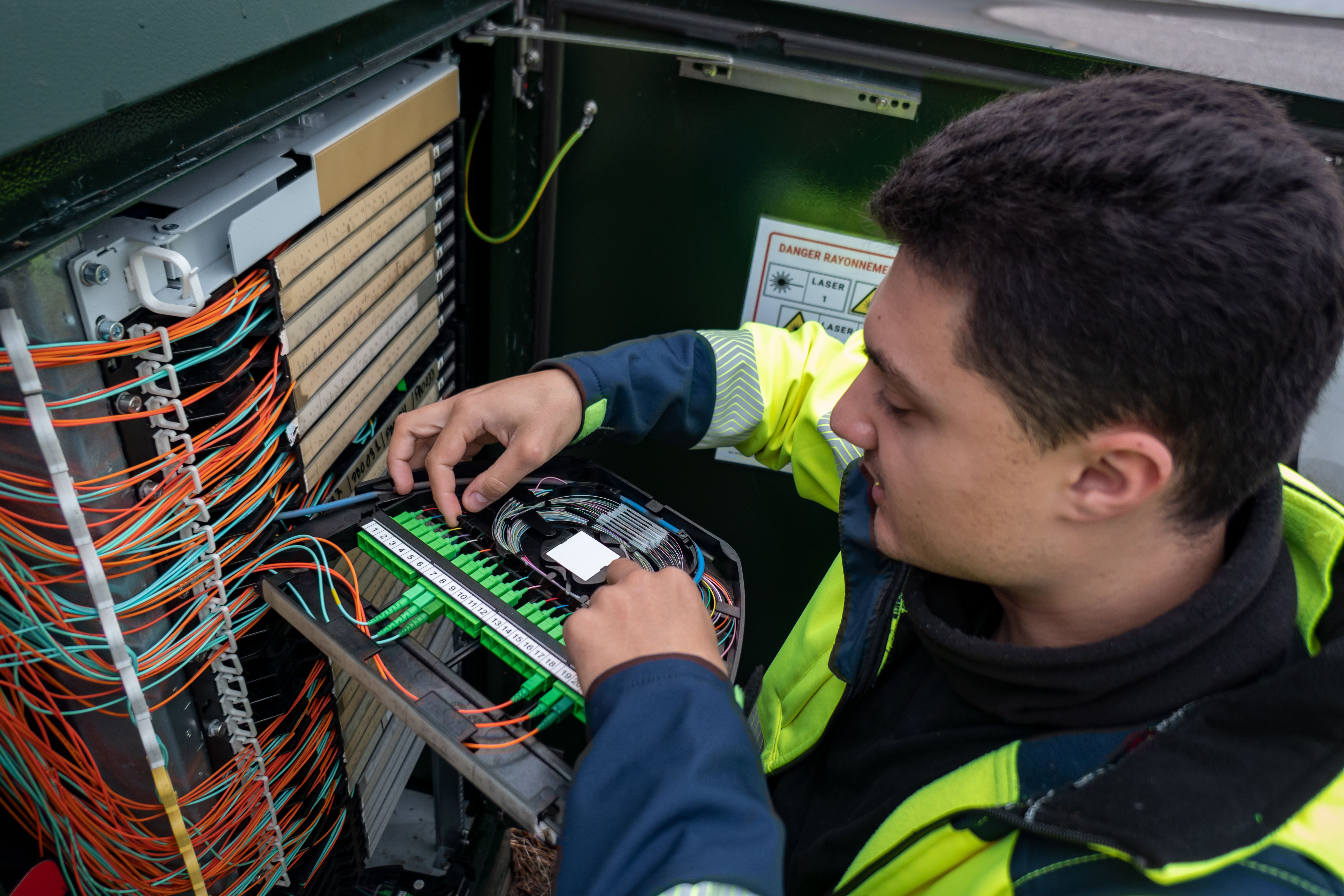
It's often believed that installing fiber optic cabling is a complicated process that requires extensive expertise. While it does require specialized skills, advancements in technology and training have simplified the process significantly. Professional installers can efficiently handle installations with minimal disruption.
Streamlined Installation Processes
With modern tools and techniques, fiber optic installation has become more streamlined. Many companies offer comprehensive solutions, from planning to execution, ensuring a smooth transition to this advanced technology. This ease of installation encourages more widespread adoption.