Comprehensive Guide to Cable Management Systems for Businesses
Understanding Cable Management Systems
Cable management systems are crucial for businesses aiming to maintain a tidy and efficient workspace. These systems help organize and protect cables, ensuring safety and enhancing the overall aesthetics of the office environment.
Why Cable Management Matters
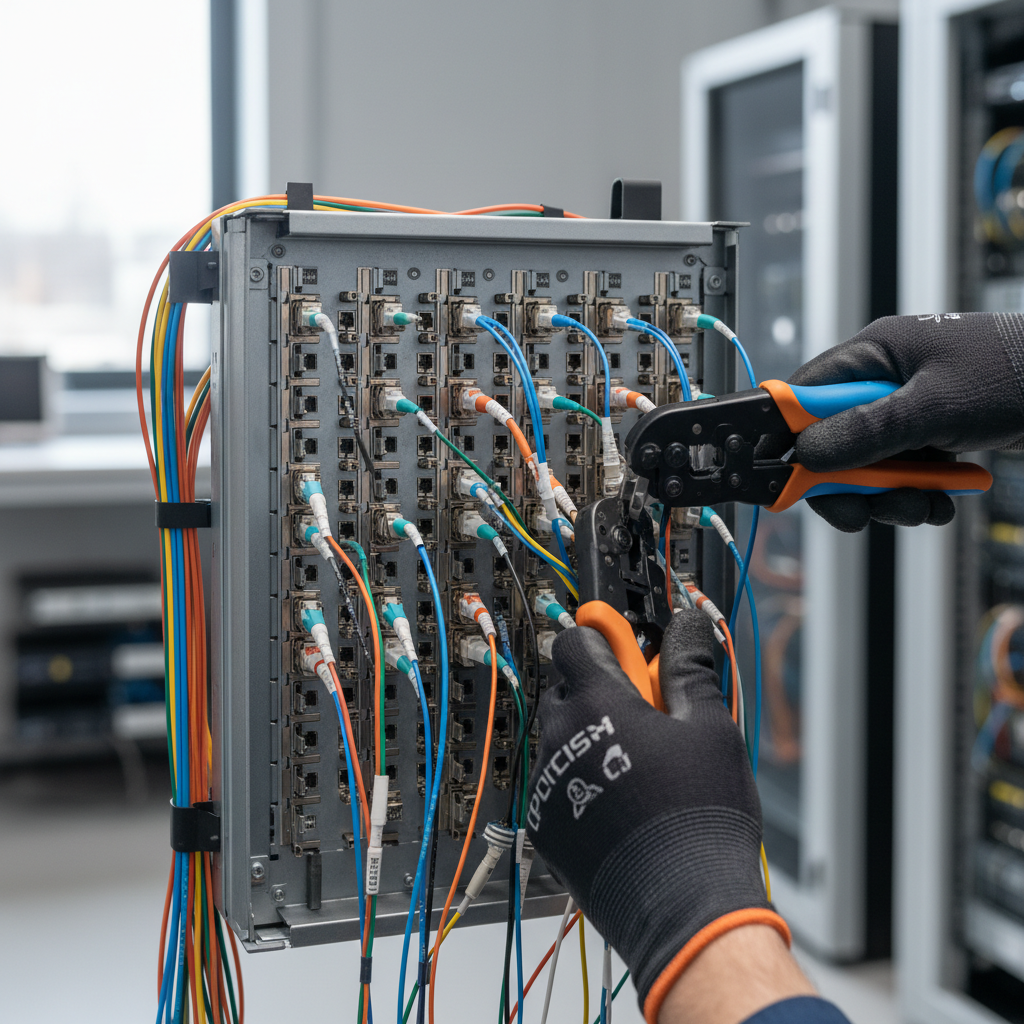
Proper cable management is essential for several reasons. Firstly, it reduces the risk of accidents caused by tripping over loose wires. Secondly, it prevents damage to cables, which can lead to connectivity issues and costly repairs. Finally, a well-organized system enhances the professional appearance of the office.
Types of Cable Management Systems
There are various types of cable management solutions available, each suited to different needs. Some common options include cable trays, raceways, and cable ties. Understanding the benefits and limitations of each can help businesses choose the right system.
Cable Trays
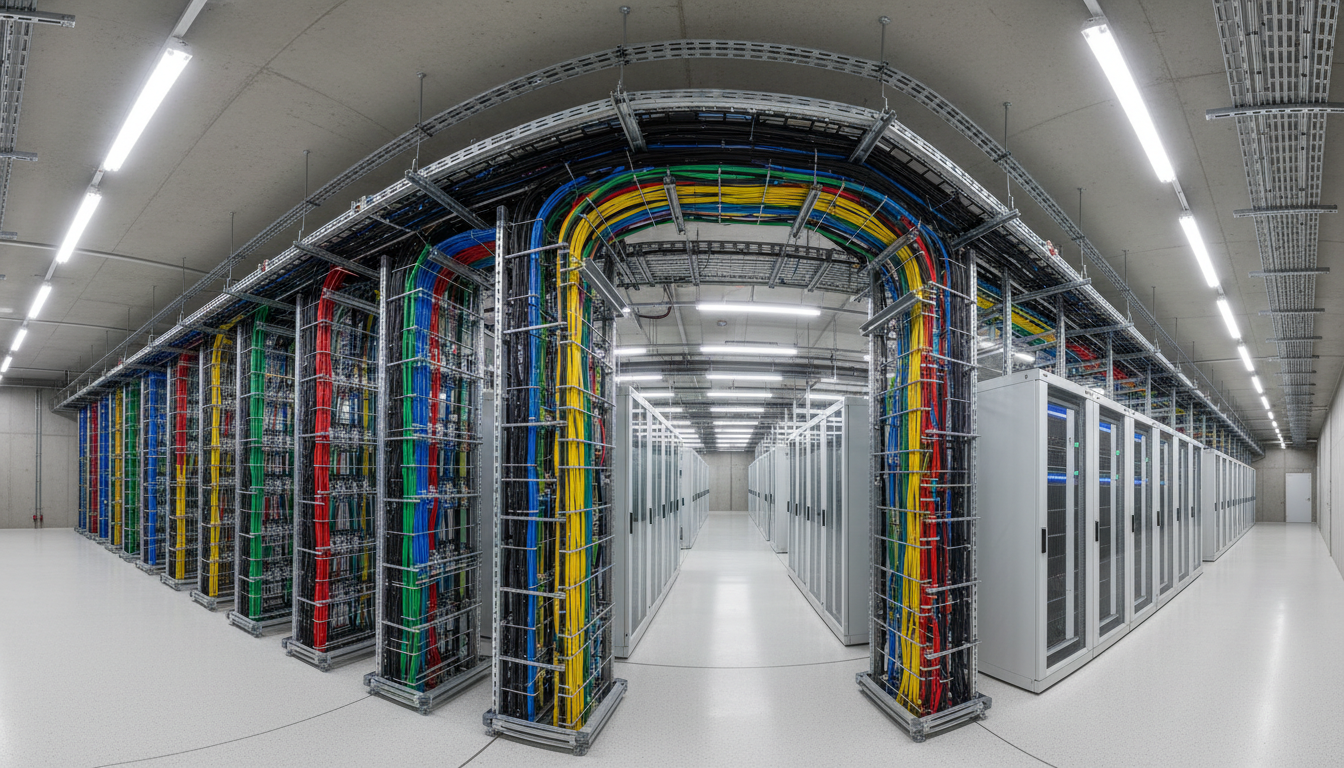
Cable trays are ideal for managing large volumes of cables. They are typically used in environments where cables need to be frequently adjusted or rerouted. These trays offer accessibility and flexibility, making them a popular choice for dynamic office settings.
Raceways
Raceways are enclosed channels that protect cables from dust, moisture, and physical damage. They are perfect for offices where aesthetics are important, as they can be easily painted or customized to match the decor.

Implementing Cable Management Systems
Implementing an effective cable management system requires careful planning. Begin by assessing the current state of cable organization and identifying problem areas. Consider the types of devices and connections in use to determine the best solution.
Steps to Implement
- Audit Your Cables: Identify all the cables and connections in use.
- Choose a System: Select the cable management system that fits your needs.
- Plan the Layout: Design a layout that ensures accessibility and aesthetics.
- Install and Organize: Carefully install the system and organize the cables.
- Regular Maintenance: Schedule periodic checks to ensure the system remains organized.
Benefits of a Well-Managed System
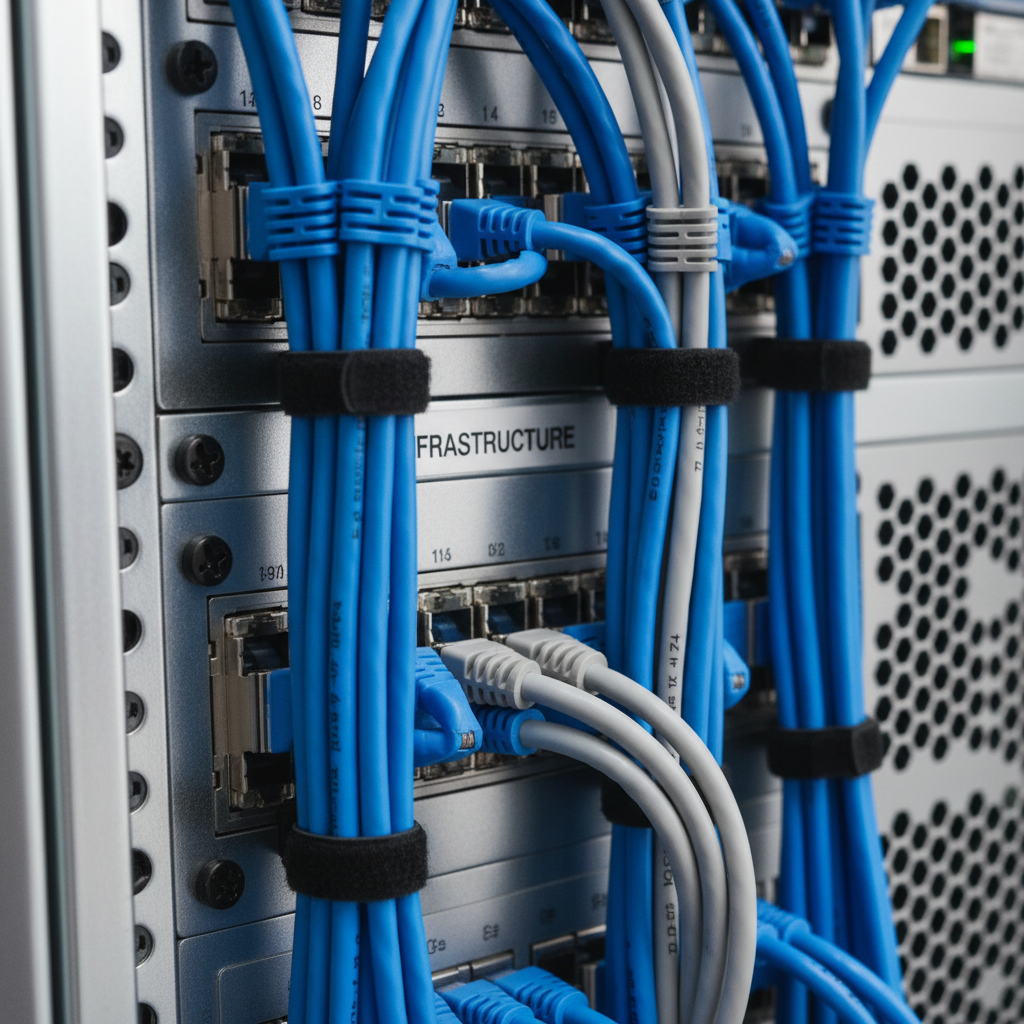
A well-managed cable system provides numerous benefits. It enhances safety by minimizing trip hazards, extends the lifespan of cables by preventing wear and tear, and improves the overall efficiency of the workplace by reducing downtime caused by connectivity issues.
Conclusion
Investing in a comprehensive cable management system is a wise decision for any business. It not only improves safety and functionality but also contributes to a professional and organized office environment. By following the steps outlined above, businesses can effectively implement a system that meets their needs and supports their operations.