Comparing Structured Cabling Solutions: Finding What's Right for Your Business
Understanding Structured Cabling
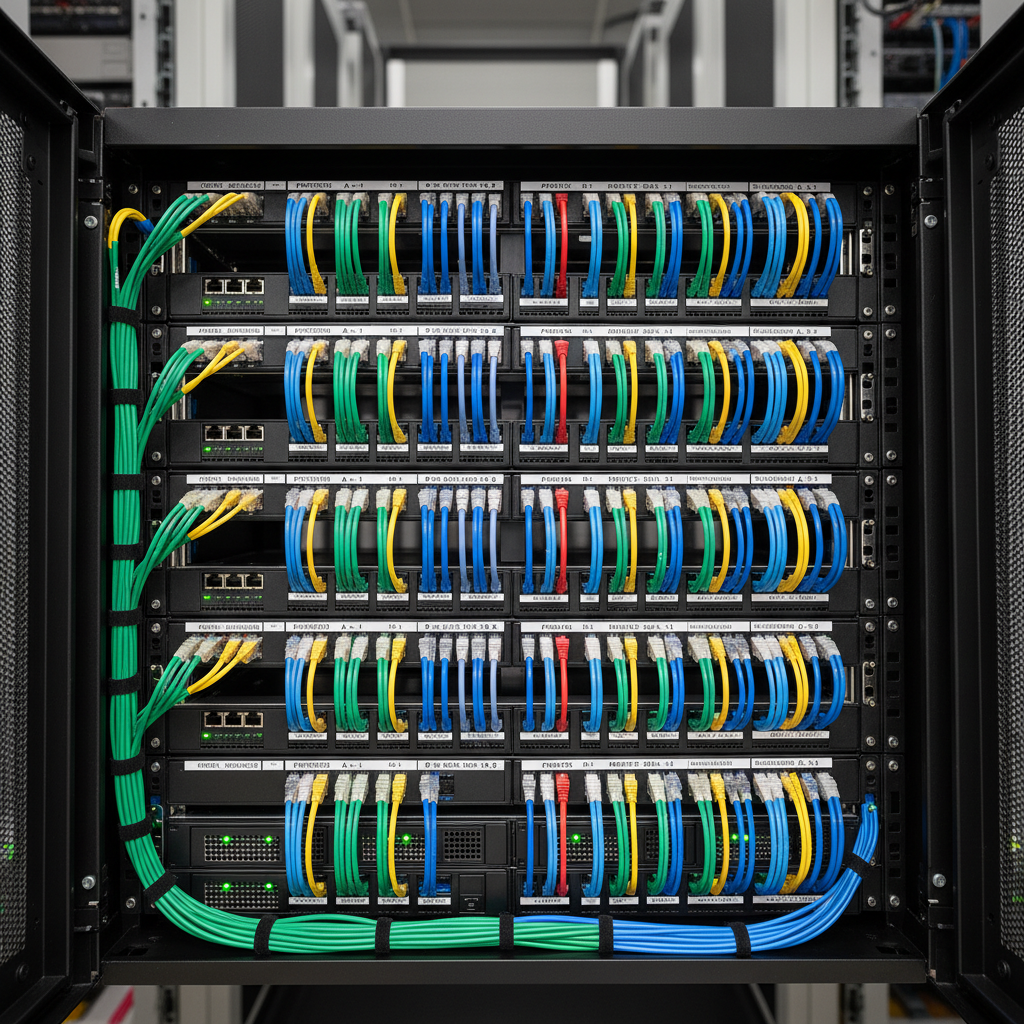
Structured cabling is an essential component of any modern business infrastructure. It provides a standardized approach to cabling systems, ensuring reliability and efficiency in data and communication networks. With various solutions available, selecting the right one for your business can be daunting. This guide helps you compare different structured cabling solutions and find what best suits your needs.

Types of Structured Cabling Solutions
There are several types of structured cabling solutions, each with unique features and benefits. Understanding these can help you make an informed decision. Let's explore some of the most common types:
Category 5e (Cat5e)
Cat5e cabling is a popular choice for small to medium-sized businesses. It supports data transfer rates of up to 1 Gbps and is cost-effective, making it suitable for most basic networking needs. However, it may not be ideal for businesses expecting significant growth in data demands.
Category 6 (Cat6)
Cat6 cables offer improved performance over Cat5e, with data transfer rates of up to 10 Gbps over short distances. This makes them a suitable choice for businesses requiring higher bandwidth and faster data transmission.
Evaluating Your Business Needs
Before selecting a cabling solution, it's crucial to evaluate your business's specific needs. Consider factors such as:
- Current and Future Data Needs: Assess your current data usage and anticipate future growth to ensure your cabling solution can scale with your business.
- Budget Constraints: While it's essential to choose a solution that meets your needs, it's also crucial to stay within your budget.
- Space and Infrastructure: Consider the physical space and infrastructure available for the installation of the cabling system.
Advantages of Fiber Optic Cabling
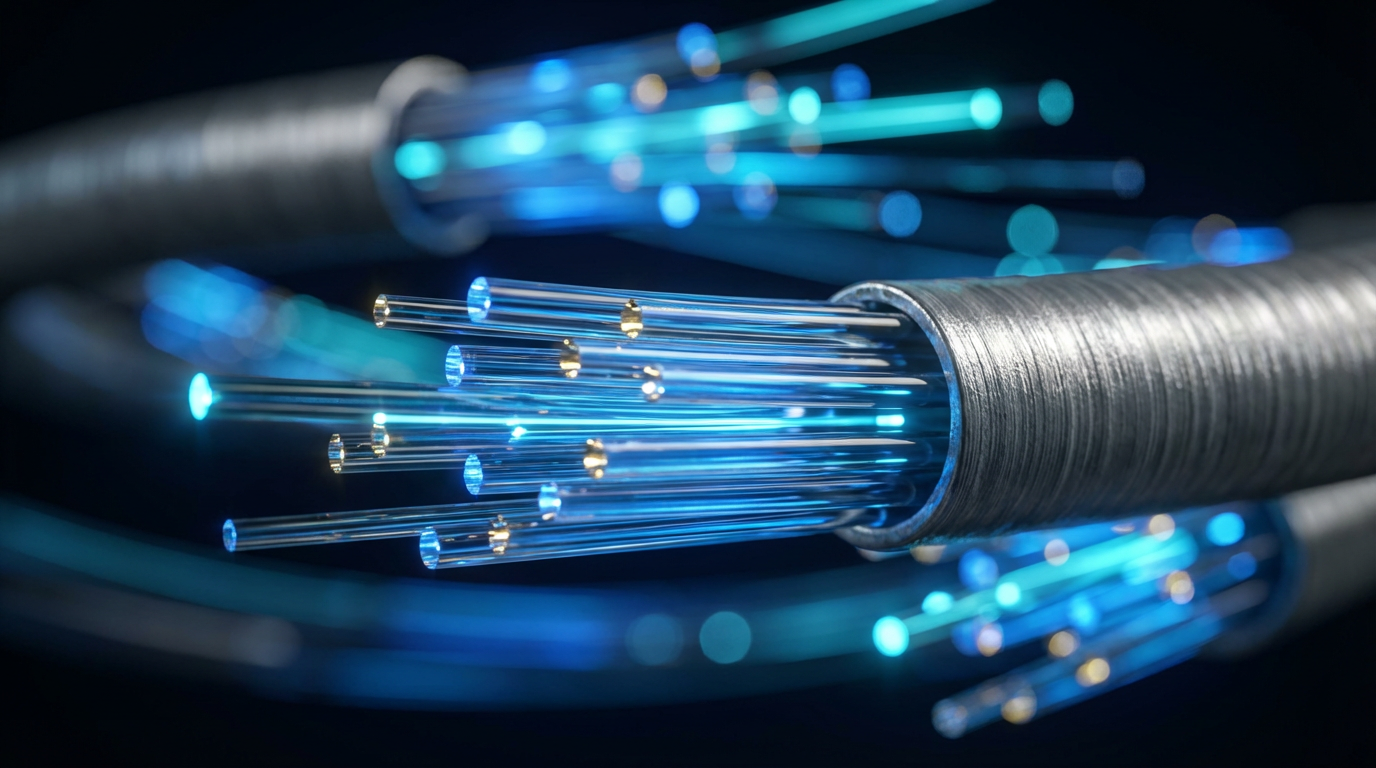
Fiber optic cabling is a premium solution known for its high-speed data transmission capabilities. It offers several advantages:
- Higher Bandwidth: Fiber optic cables support significantly higher bandwidths than traditional copper cables.
- Longer Distances: These cables can transmit data over much longer distances without signal degradation.
- Enhanced Security: Fiber optics provide improved security against data breaches and interference.
Making the Right Choice
Choosing the right structured cabling solution requires a careful analysis of your business's specific requirements and future goals. Consider consulting with a professional cabling provider to get expert advice tailored to your situation.
Ultimately, the right cabling solution will offer the reliability, scalability, and performance necessary to support your business's growth and success. By investing in the appropriate infrastructure, you can ensure seamless data connectivity and communication for years to come.