Comparing Fiber Optic and Copper Cabling: Which is Best for Your Trinity Business?
Understanding Fiber Optic and Copper Cabling
As technology advances, businesses in Trinity face crucial decisions about their network infrastructure. Two primary contenders for cabling solutions are fiber optic and copper cabling. Both have distinct advantages and considerations that can significantly impact your business operations.
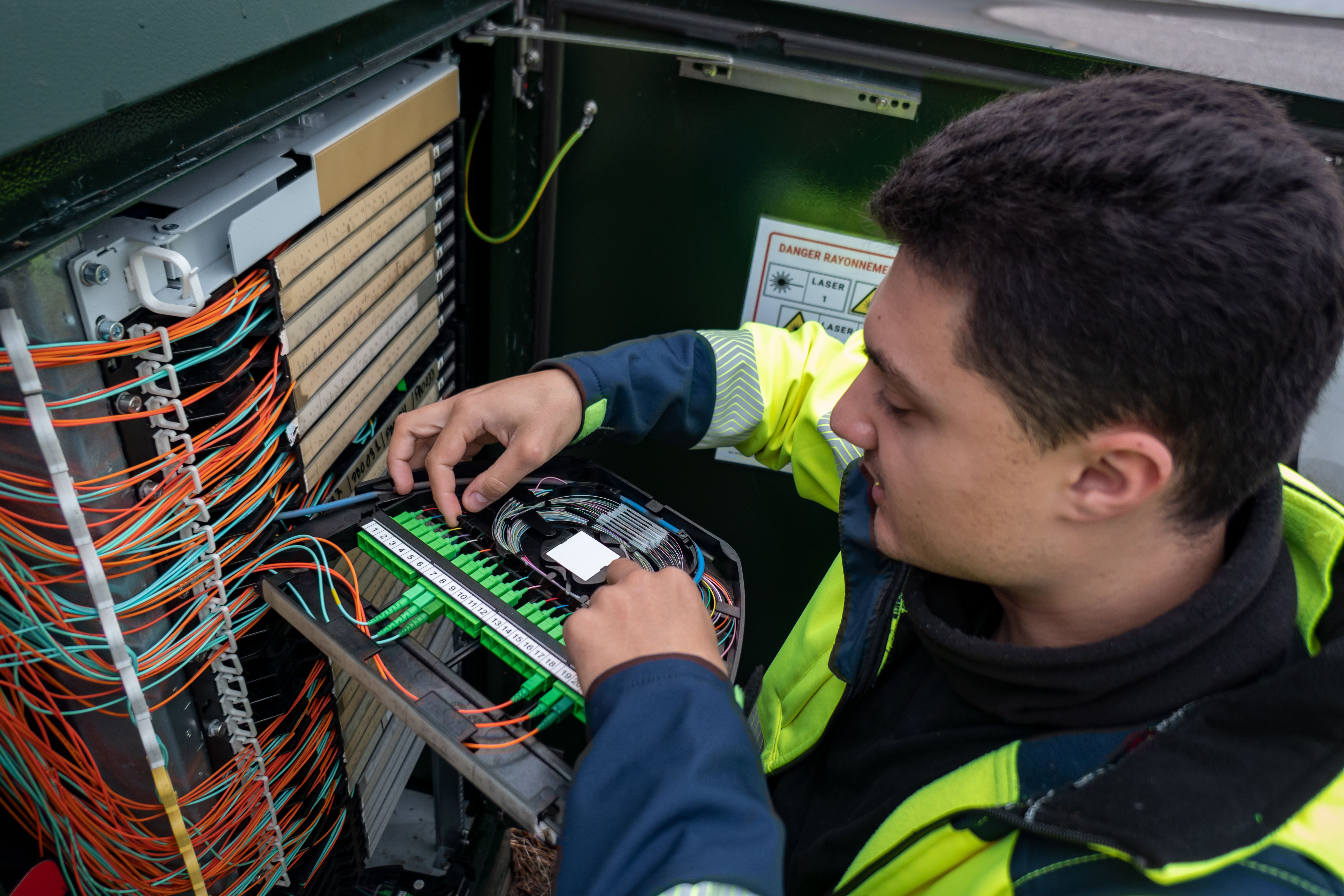
Fiber optic cabling uses light to transmit data, offering high bandwidth and speed over long distances. In contrast, copper cabling, traditionally used in networking, transmits data through electrical signals. Understanding the differences between these two options is essential for making an informed decision.

Speed and Performance
When it comes to speed, fiber optic cabling is the clear winner. It can support data rates up to 100 Gbps and beyond, making it ideal for businesses with high bandwidth demands. Copper cabling, while reliable, typically supports lower speeds, maxing out around 10 Gbps for the latest standards.
Additionally, fiber optic cables are less susceptible to electromagnetic interference, ensuring consistent performance even in environments with high electrical noise. This reliability can be crucial for businesses that rely on stable and uninterrupted data transmission.
Distance and Scalability
Fiber optic cabling excels in long-distance data transmission. It can maintain signal integrity over several kilometers without significant loss, making it suitable for large campuses or multi-site operations. Copper cabling, on the other hand, is limited to shorter distances, typically up to 100 meters for optimal performance.
When scalability is a priority, fiber optics provide a future-proof solution. As your business grows, fiber optic infrastructure can easily accommodate increased data loads, while copper cabling may require more frequent upgrades.
Installation and Cost
Cost is a significant factor in choosing between fiber optic and copper cabling. Initially, fiber optic installation can be more expensive due to the materials and specialized labor required. However, the long-term benefits, such as reduced maintenance costs and higher performance, often outweigh the initial investment.
Copper cabling tends to have a lower upfront cost, making it an attractive option for smaller businesses or those with limited budgets. However, it's essential to consider potential future expenses related to upgrades and maintenance.
Security and Reliability
In terms of security, fiber optic cabling offers superior protection against data breaches. The nature of light-based transmission makes it difficult to tap into without being detected. Copper networks are more vulnerable to interference and unauthorized access.
Reliability is another strong point for fiber optics, as they are not affected by temperature fluctuations or harsh environmental conditions. This durability can be a significant advantage in areas prone to extreme weather.
Making the Right Choice for Your Trinity Business
Deciding between fiber optic and copper cabling depends on your business's specific needs. Consider factors such as budget, future growth, and the importance of speed and reliability in your operations. Both options have their place, and understanding their unique benefits will help you make the best choice for your business.
Ultimately, investing in the right cabling infrastructure is crucial for ensuring efficient and scalable network performance. Whether you choose fiber optic or copper, aligning your choice with your business goals will set the foundation for success.