Common Misconceptions About Wireless Network Installations Debunked
Understanding Wireless Network Installations
Wireless network installations have become a crucial part of both home and business environments. However, several misconceptions often lead to confusion and poor decision-making. In this post, we will debunk some common myths surrounding wireless network installations to help you make informed choices.

Myth 1: Wireless Networks Are Inherently Insecure
One of the most pervasive misconceptions is that wireless networks are less secure than wired ones. While wireless networks do present unique security challenges, they can be just as secure with the right measures. Implementing strong encryption protocols like WPA3, regularly updating your firmware, and using strong, unique passwords are essential steps in securing a wireless network.
It's also important to note that many security breaches occur due to human error rather than the technology itself. Educating users about potential threats and best practices is a critical component of network security.
Myth 2: Faster Internet Equals Better Wireless Performance
Many people believe that upgrading to a faster internet plan will automatically improve wireless performance. However, the speed of your internet connection is only one part of the equation. The performance of your wireless network also depends on factors such as router placement, network congestion, and the quality of your hardware.
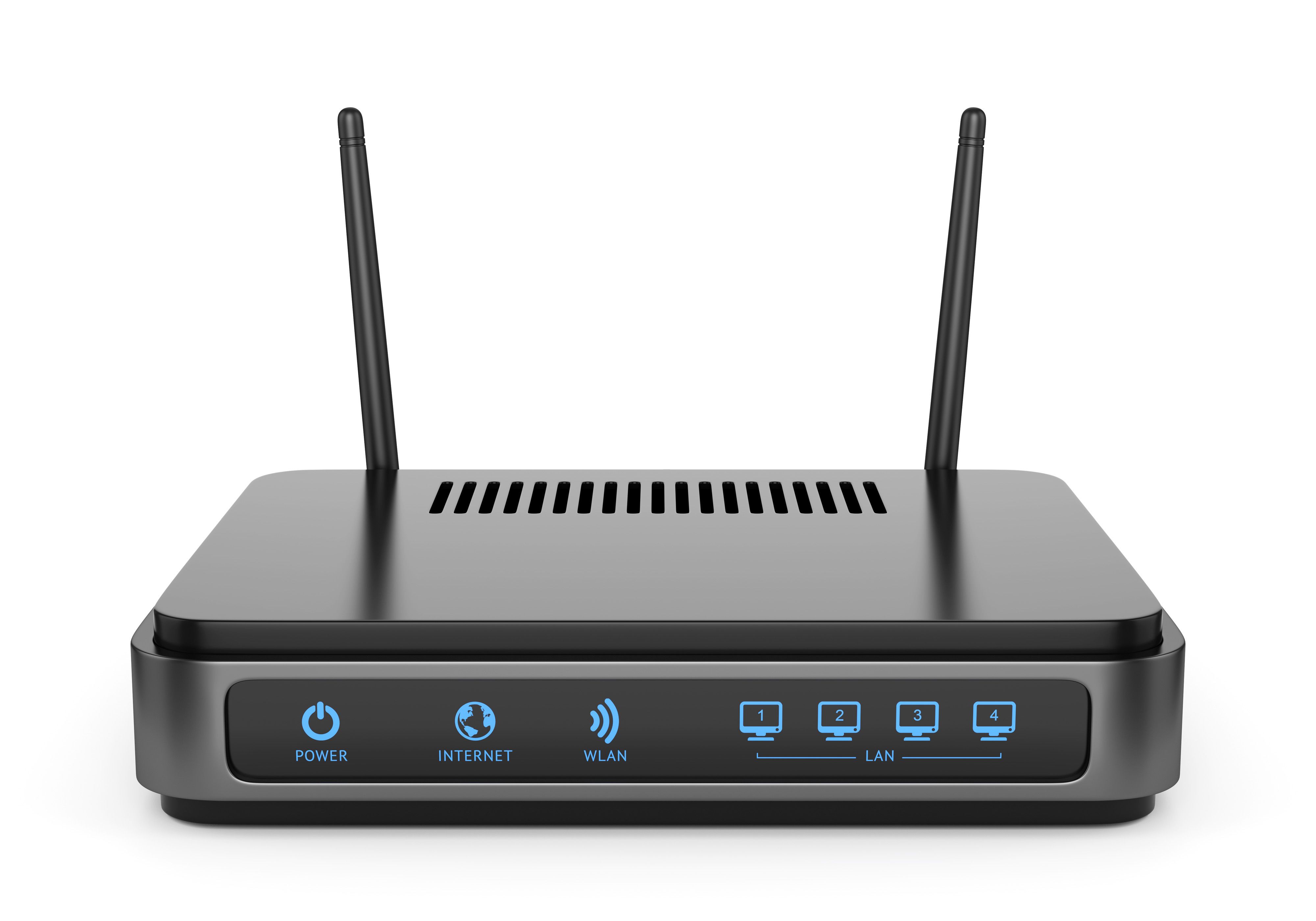
To optimize your wireless network, ensure your router is placed centrally in your space and away from obstructions. Additionally, investing in a high-quality router that supports the latest standards can make a significant difference.
Myth 3: All Wireless Networks Are the Same
Another common misconception is that all wireless networks offer the same performance. In reality, the quality of a wireless network can vary significantly based on the technology used. For instance, Wi-Fi 6 offers improved speed, capacity, and efficiency compared to previous generations.
- Wi-Fi 6 provides better performance in crowded areas.
- It offers lower latency, which is crucial for gaming and streaming.
- It enhances battery life for connected devices.
Myth 4: More Antennas Mean Better Coverage
While it might seem logical that more antennas would improve coverage, this is not always the case. The placement and configuration of antennas often matter more than the quantity. High-quality routers use advanced technologies like beamforming to direct signals more efficiently, providing better coverage and performance.

When choosing a router, focus on its features and capabilities rather than just the number of antennas it has.
Conclusion
Understanding the facts about wireless network installations can help you make better decisions and optimize your network's performance. By addressing these common misconceptions, you can ensure a secure, efficient, and reliable wireless experience in your home or business.