Case Study: Successful Wireless Network Installation in Trinity, NC
Introduction to the Project
In the rapidly evolving digital landscape, a robust wireless network is essential for businesses and educational institutions alike. In Trinity, NC, a recent project exemplified how a strategic approach to wireless network installation can significantly enhance connectivity and performance. This case study explores the intricacies of the project, highlighting the challenges faced and the innovative solutions implemented.
The project aimed to provide seamless wireless connectivity across a large educational campus. The existing infrastructure was outdated, resulting in frequent connectivity issues and limited coverage. The objective was to ensure reliable and fast internet access for students, faculty, and administrative staff.
Understanding the Challenges
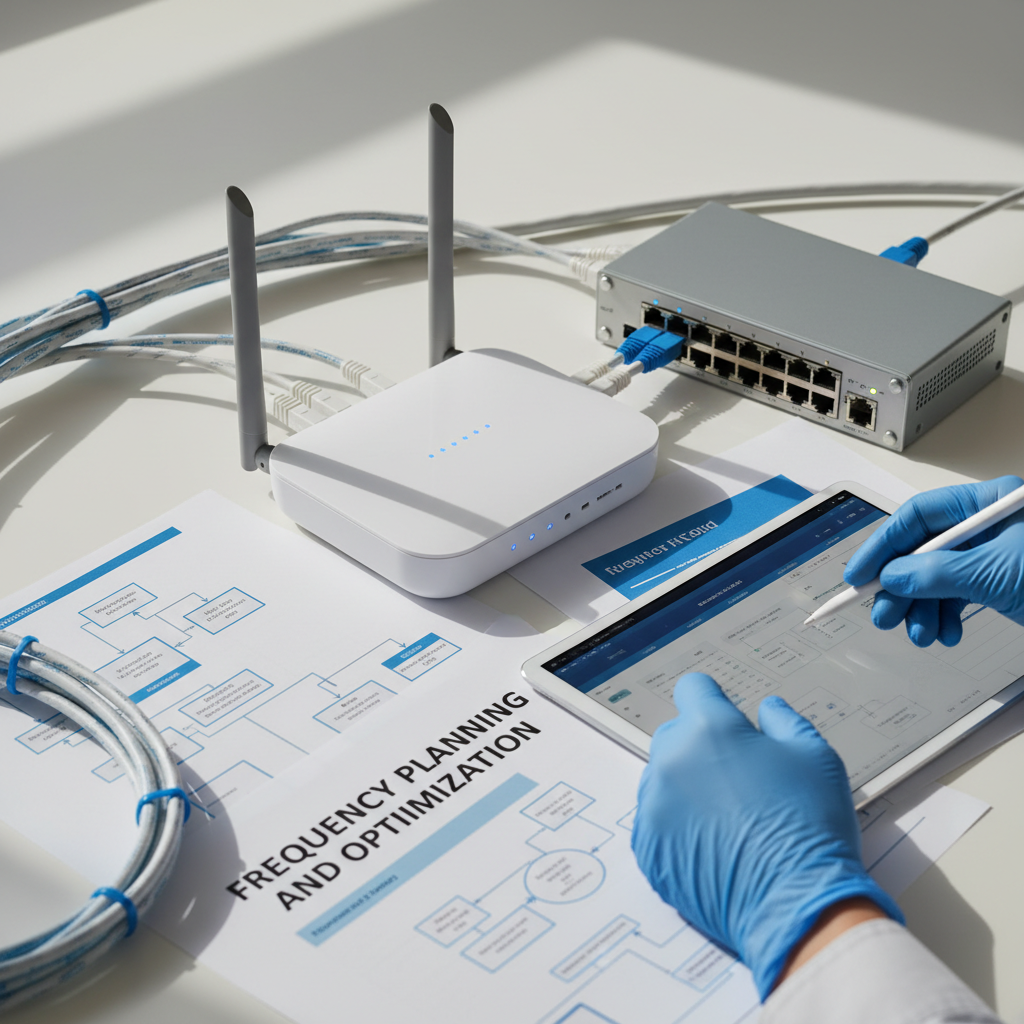
One of the primary challenges was the campus's vast area, which included multiple buildings with varying architectural designs. The network needed to cover outdoor spaces, lecture halls, dormitories, and administrative offices without any dead zones. Additionally, the network had to support a high density of users simultaneously, especially during peak hours.
The project team also had to consider security concerns, ensuring that the network was protected against potential cyber threats. The existing network's lack of scalability was another issue, as it couldn't handle the increasing number of connected devices.
Site Assessment and Planning
A comprehensive site assessment was conducted to understand the unique requirements and challenges. The team performed a thorough analysis of the existing infrastructure, identifying areas that needed upgrades. This assessment provided valuable insights into the optimal placement of access points and the necessary bandwidth to support the entire campus.
Implementing the Solution
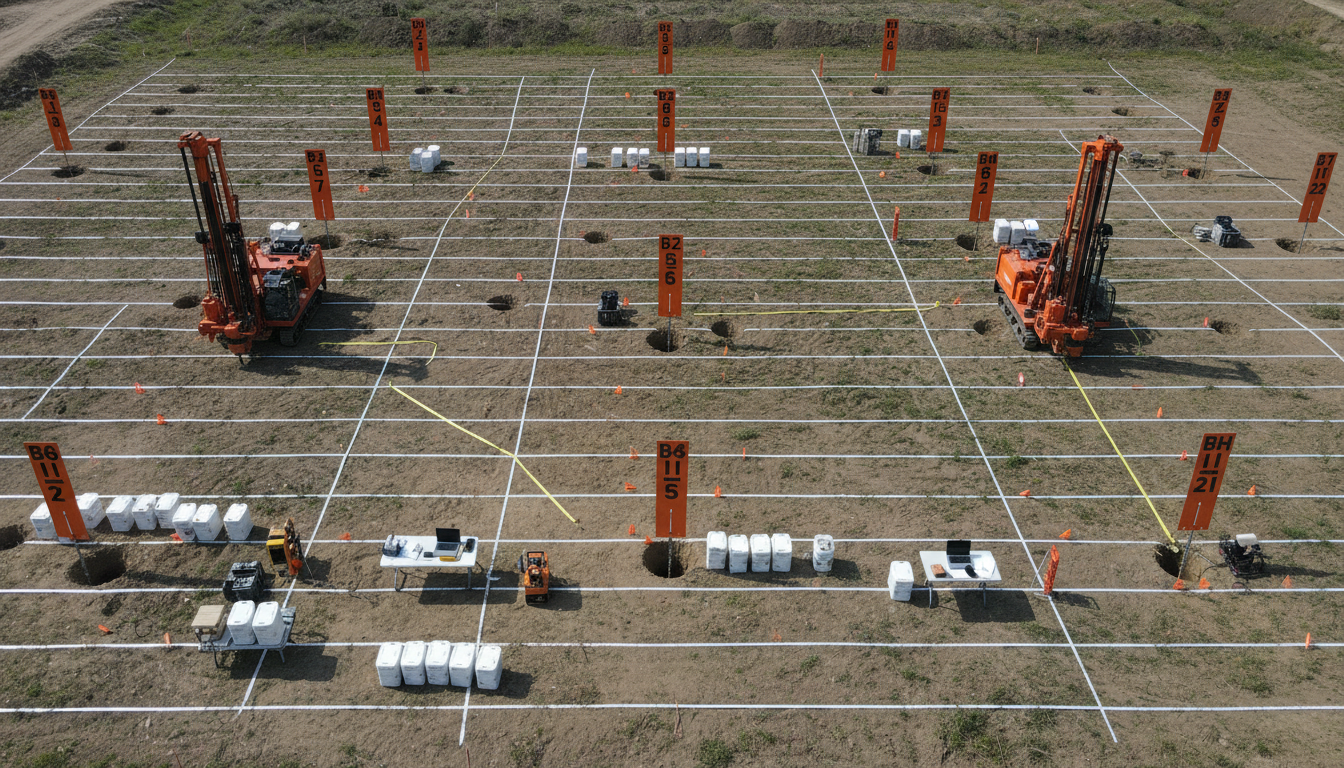
The implementation phase began with the deployment of state-of-the-art access points strategically placed across the campus. These access points were selected for their ability to provide extensive coverage and handle a high number of simultaneous connections. The team ensured that each building had the necessary coverage, including outdoor areas where students often congregate.
To address security concerns, an advanced firewall and encryption protocols were integrated into the network design. This ensured that sensitive data remained protected and unauthorized access was prevented. Additionally, a scalable network architecture was implemented, allowing for future expansion without significant overhauls.

Results and Benefits
The newly installed wireless network significantly improved the connectivity experience for all users on campus. Students and faculty reported faster internet speeds, even during peak usage times. The coverage was consistent across all areas, including previously problematic zones.
Furthermore, the enhanced security measures provided peace of mind to the IT department and users alike. The network's scalability ensured that it could accommodate future growth and technological advancements, making it a future-proof investment for the institution.
Conclusion
This successful wireless network installation in Trinity, NC, serves as a benchmark for similar projects across the region. By carefully assessing the specific needs and challenges, the project team delivered a solution that not only met the current demands but also prepared the campus for future technological developments.
The project's success underscores the importance of strategic planning and the integration of advanced technologies in creating a reliable and secure wireless network. As other institutions consider upgrading their networks, this case study offers valuable insights into the process and benefits of modern wireless solutions.