Case Study: Successful Structured Cabling Implementation for a Local Trinity Business
Introduction to Structured Cabling
In today's fast-paced digital world, the efficiency and reliability of a company's IT infrastructure can significantly impact its success. For a local business in Trinity, implementing a robust structured cabling system was crucial to modernize its operations and enhance connectivity.
Structured cabling provides a comprehensive telecommunications infrastructure that supports a wide range of systems, ensuring seamless communication and data transfer. This case study explores the successful implementation of structured cabling for a local Trinity business and the subsequent benefits.
The Need for Structured Cabling
Before the implementation, the business faced numerous challenges with its outdated cabling infrastructure. Frequent network downtime, slow data transfer speeds, and difficulty in troubleshooting issues were common problems that hindered productivity.
The management realized that a structured cabling solution was essential to address these concerns, streamline operations, and future-proof the business against technological advancements. The goal was to create a scalable and efficient cabling system tailored to the business's specific needs.
Planning and Design
The first step involved a thorough assessment of the existing infrastructure. The team worked closely with cabling experts to design a system that would accommodate current requirements while allowing for future expansion.
Key considerations included:
- Optimizing cable pathways for minimal interference
- Ensuring compatibility with existing and future technologies
- Implementing a flexible design to support scalability

Implementation Process
The implementation phase involved careful execution to minimize disruptions to daily operations. The team used high-quality materials and adhered to industry best practices to ensure a reliable and long-lasting solution.
This process included:
- Removing outdated cabling and equipment
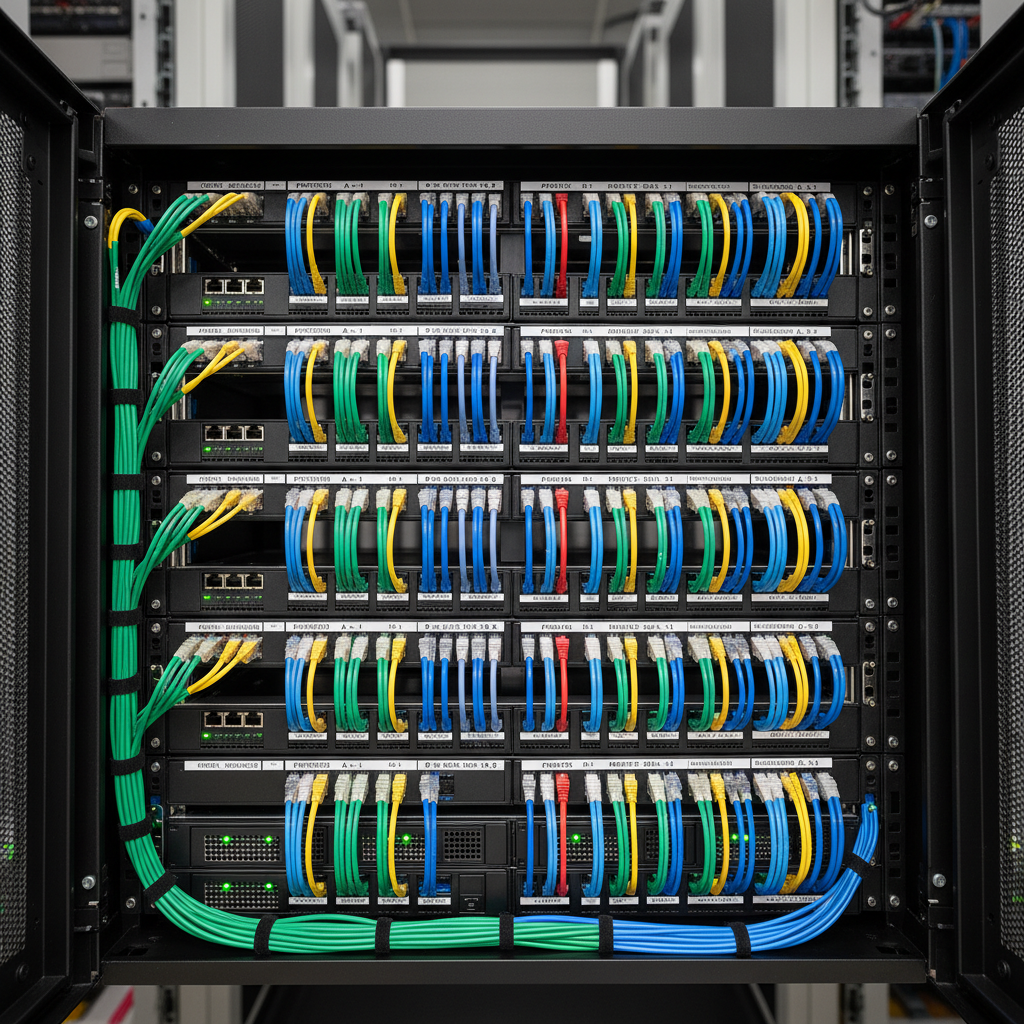
- Installing new cabling infrastructure with labeled pathways
- Testing and validating the system for optimal performance
Challenges and Solutions
During the project, the team encountered several challenges, such as limited space for cable routing and the integration of new and old systems. Innovative solutions, like customized cable trays and strategic routing, were implemented to overcome these obstacles.

Results and Benefits
The structured cabling implementation led to significant improvements in network performance and reliability. The business experienced reduced downtime, faster data transfer speeds, and easier maintenance processes.
Moreover, the new system provided a scalable platform that allowed the business to integrate advanced technologies, such as VoIP and video conferencing, enhancing overall communication and collaboration.
Conclusion
For the local business in Trinity, investing in structured cabling was a game-changer. It not only resolved existing issues but also set the stage for future growth and innovation. This case study highlights the importance of a well-planned and expertly executed cabling solution in driving business success.
As technology continues to evolve, businesses must prioritize infrastructure upgrades to remain competitive. Structured cabling offers an effective way to ensure that a company's IT backbone is strong, reliable, and ready for the future.