A Guide to Choosing the Right Structured Cabling for Your Business
Understanding Structured Cabling
Structured cabling is a critical backbone that drives the communication and data transfer within your business. It consists of a standardized infrastructure of cables and related hardware, providing a comprehensive telecommunications system. Choosing the right structured cabling can greatly impact your business operations, ensuring efficiency and reliability.

Assessing Your Business Needs
Before selecting a structured cabling solution, it’s essential to assess your business needs. Consider the size of your organization, the nature of your work, and future growth plans. Will your business require high-speed internet, or is a basic setup sufficient? Understanding these requirements helps in choosing a system that aligns with your operational demands.
Make a list of devices and technologies your business uses, such as computers, VoIP phones, and security systems. This inventory will aid in determining the capacity and type of cabling you’ll need.
Types of Cabling Systems
There are several types of structured cabling systems available, each with its own advantages:
- Category 5e (Cat 5e): Suitable for most small to medium-sized businesses, supporting up to 1 Gb/s.
- Category 6 (Cat 6): Offers improved performance and is ideal for businesses requiring faster data transfer speeds.
- Fiber Optic: Best for businesses needing high-speed, long-distance data transmission. It’s future-proof but more expensive.
Installation Considerations
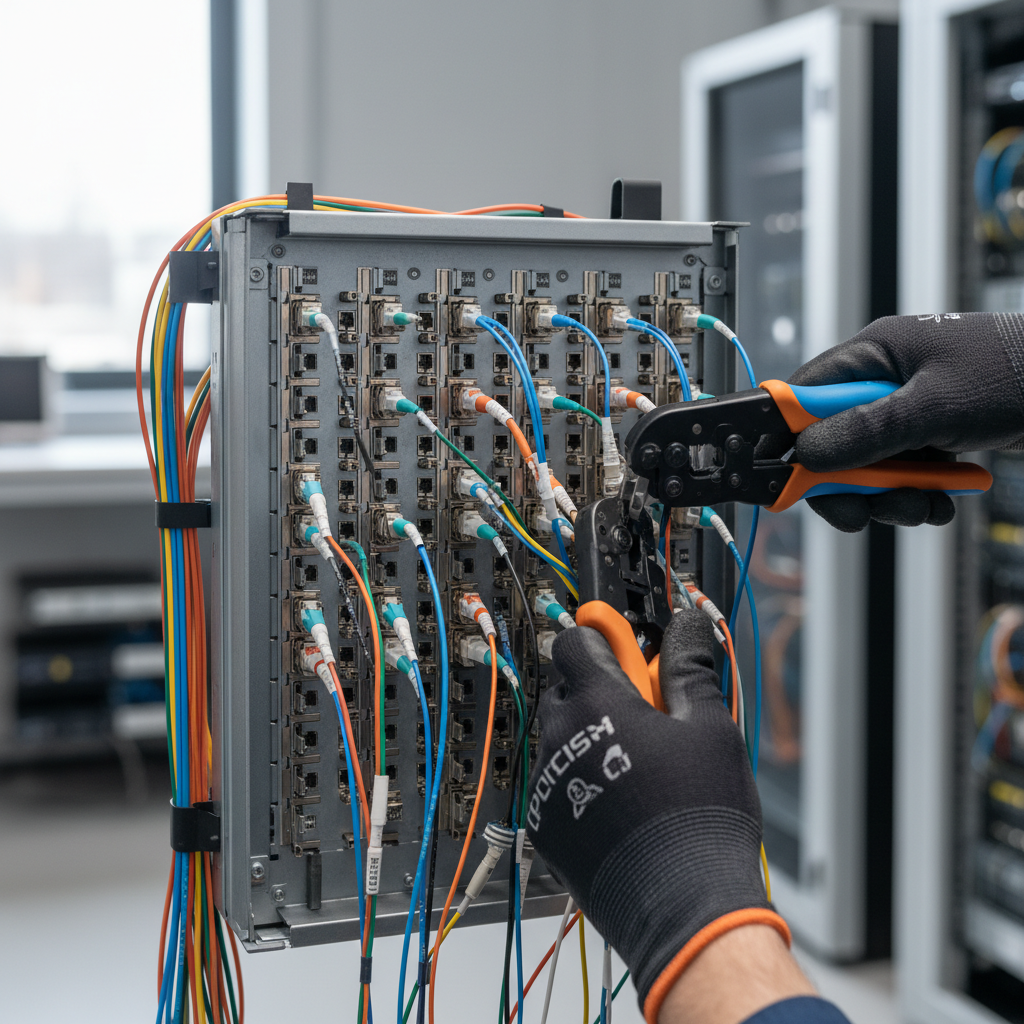
Proper installation is crucial to maximize the benefits of your structured cabling. Ensure that you hire experienced professionals who adhere to industry standards. A well-organized cabling system reduces downtime and simplifies troubleshooting.
Consider the layout of your office space. Strategic placement of cables can minimize clutter and enhance the aesthetic appeal of your workspace. Always plan for scalability to accommodate future growth and technological advancements.
Maintenance and Upgrades
Regular maintenance of your cabling system ensures optimal performance. Schedule routine inspections to identify and rectify any issues before they escalate. As technology evolves, you might need to upgrade your system to stay competitive. Keep abreast of the latest advancements in cabling technology to make informed decisions.

Cost Considerations
While cost is a significant factor, it shouldn’t be the sole determinant in your choice of structured cabling. A cheaper system might save money initially but could incur higher costs in the long run due to maintenance and inefficiencies. Balance your budget with the need for a durable, high-performance system.
Request quotes from multiple vendors and consider the overall value they offer, including customer service and support.
Conclusion
Choosing the right structured cabling for your business is a critical decision that can impact your operational efficiency and growth. By understanding your needs, exploring different options, and considering long-term benefits, you can select a system that supports your business's success. Invest wisely to build a robust and reliable infrastructure that keeps your business connected and competitive.